Featured

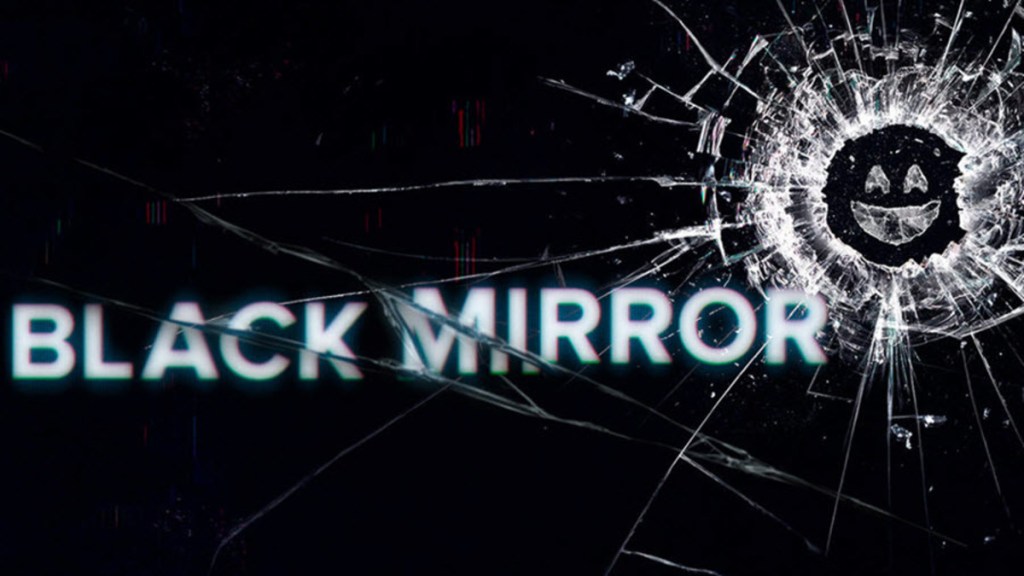
Black Mirror

In the session of Monday 20th January 2020, as part of the Media in Context module we watched an episode from the Netflix series‘Black Mirror’ titled Playtest, an episode that evidently demonstrates the semiotics and mise-en-scene, both which are technical requirements within the television and film industry, however can also provide relevance and intertextuality in photography.

Mise-en-scene

Mise-en-scene, is a French term meaning “to place” and a combination of 5 elements in which together both develop and create a frame, which I’ll individually break down for the purpose of analysing the episode of Black Mirror

Camera Shots: Like all TV and film productions, the camera angles have to be thoroughly planned out and brief met in order to ensure the result of the production is a success, and therefore camera shots apply within the photography sector as they may appear as moving images on screen, but in actual fact are single framed shots, when at the pre-production and production stages.
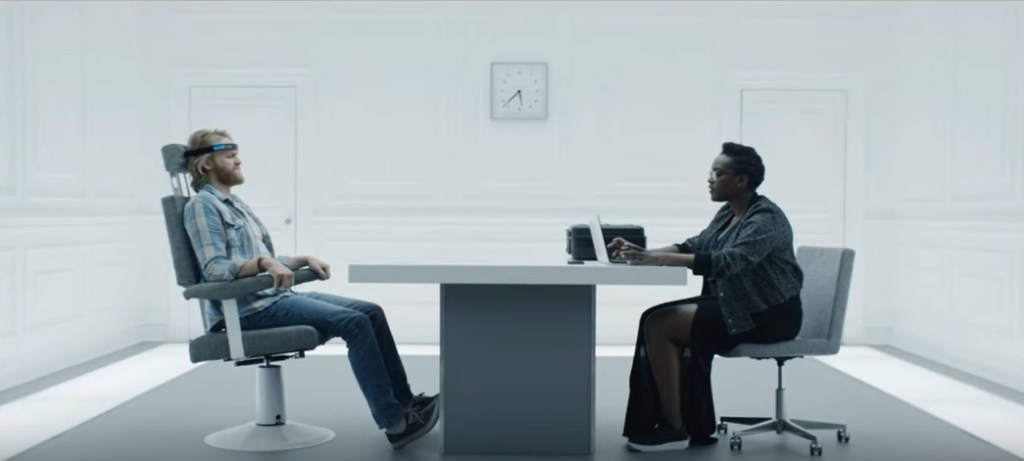
Wide Angle: What this screenshot demonstrates is a wide angle shot to help set / establish the scene, which in this case shows Cooper and Katie in a room thats completely empty with only a desk, chairs and clock for distraction. As well as the wide shot, this could also be considered what’s professionally known as a ‘two shot’ meaning there’s two people seen in the frame and is usually demonstrated when there’s an ongoing conversation from person to person.
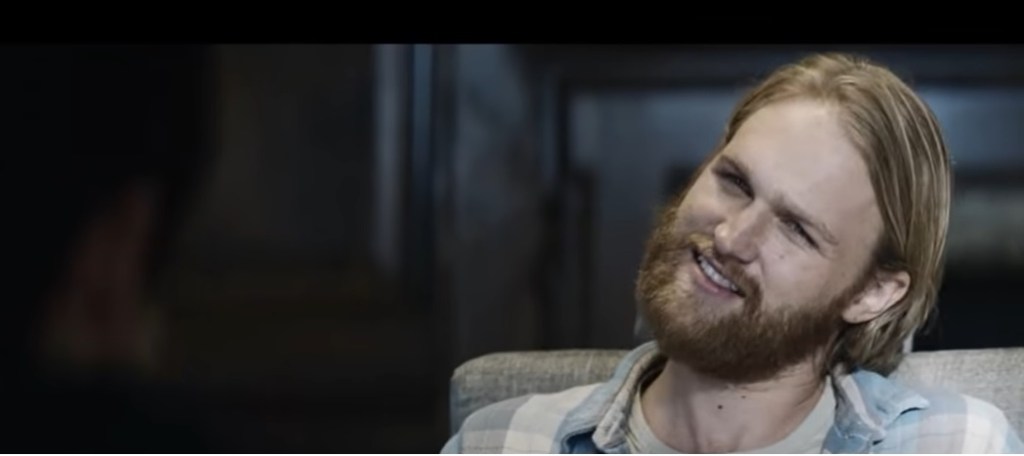
Over the shoulder: Another way of highlighting a conversation between two people in a particular scene is by whats known as an an over the shoulder shot, a shot in which the camera operator films over a characters shoulder whether that be them talking or listening to the opposite character on screen, the rule applies both ways.

Lighting: Lighting plays a key part in the photography and TV and film industry for the reason being that it’s main purpose is to produce various moods and atmospheres depending on the scene and narrative in which the production is following. For example, with Playtest both considered and listed as a drama and thriller, you’d expect to see lighting that’s majorly under exposed in order to create an eerie feel to the scene that’s in play.
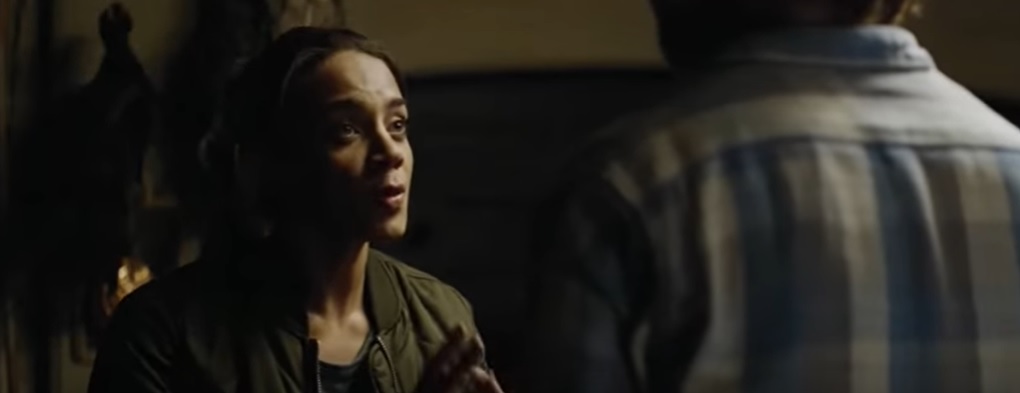
Rembrandt: The term ‘rembrandt’ derives from it’s origin of the Dutch painter of the same name, and is commonly produced within a studio based environment due to it’s setup, however the lighting style has also been outlined in the episode of Black Mirror, for the reason being that a triangle can be seen under Sonja’s right eye, which is also seen in the portraiture work of Rembrandt and is created with a key light and a circular reflector.
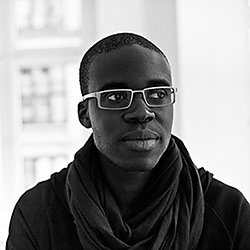
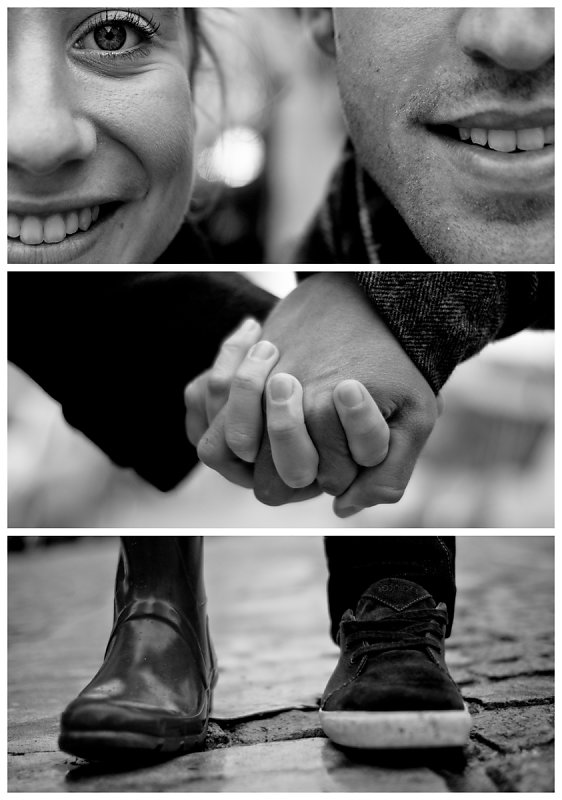
David Hockney and Adde Adesokan (Artist Research)

David Hockney and Adde Adesokan are two of the worlds most renowned names in the photography industry, and after producing a case study and own imagery, inspired by both artists when studying photography at A-Level, I felt they’d portrayal a vital role within my degree and portfolio as they created photography styles that not many artists use today. These are known as Triptych and Joiner.

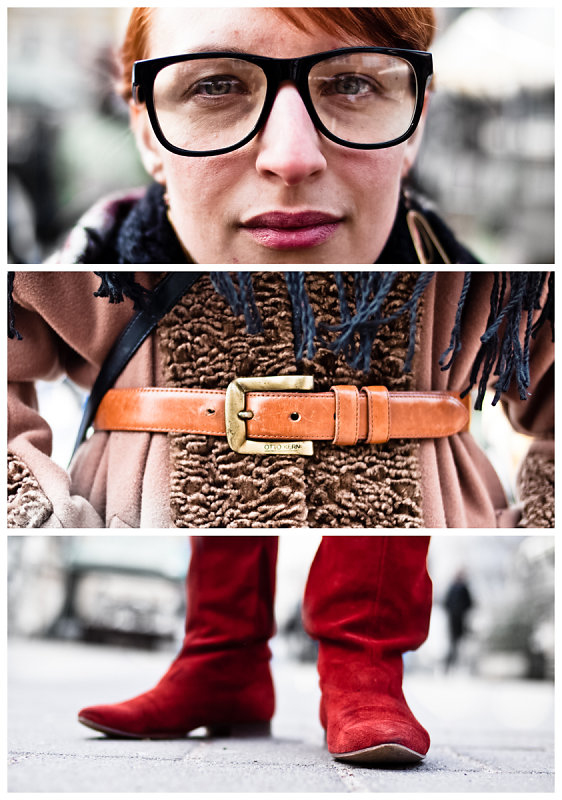
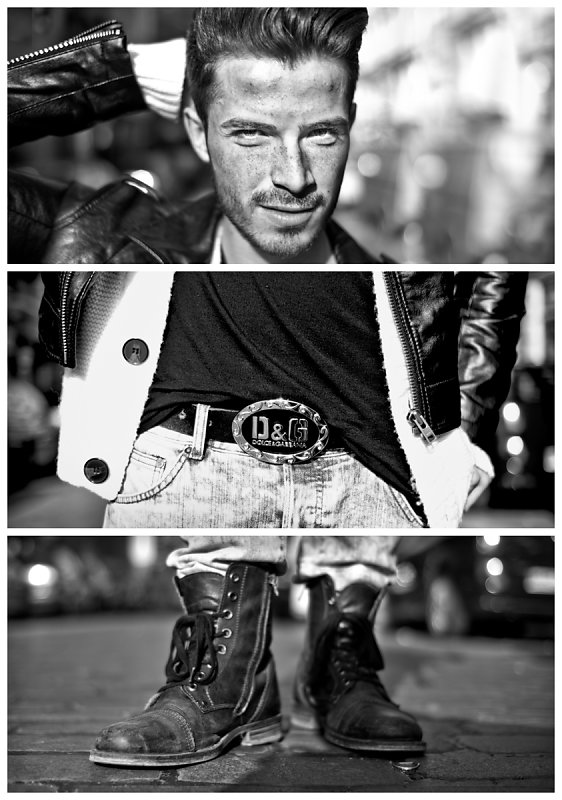
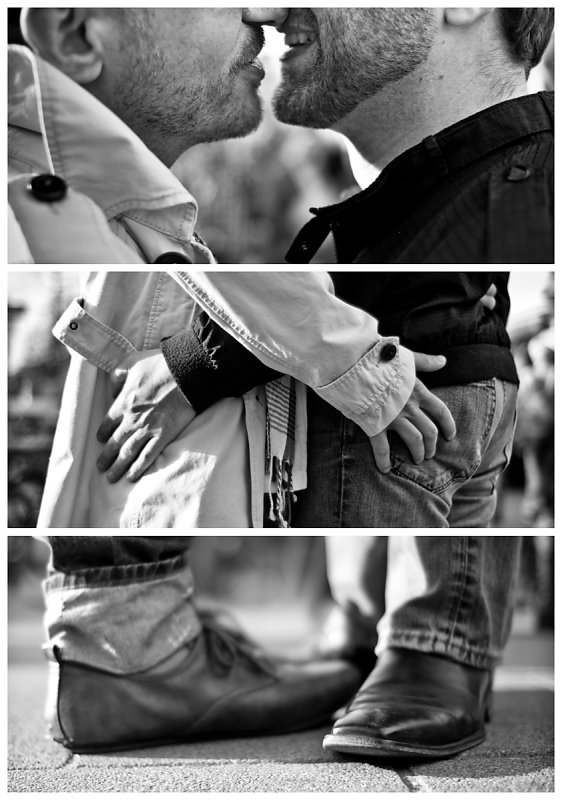
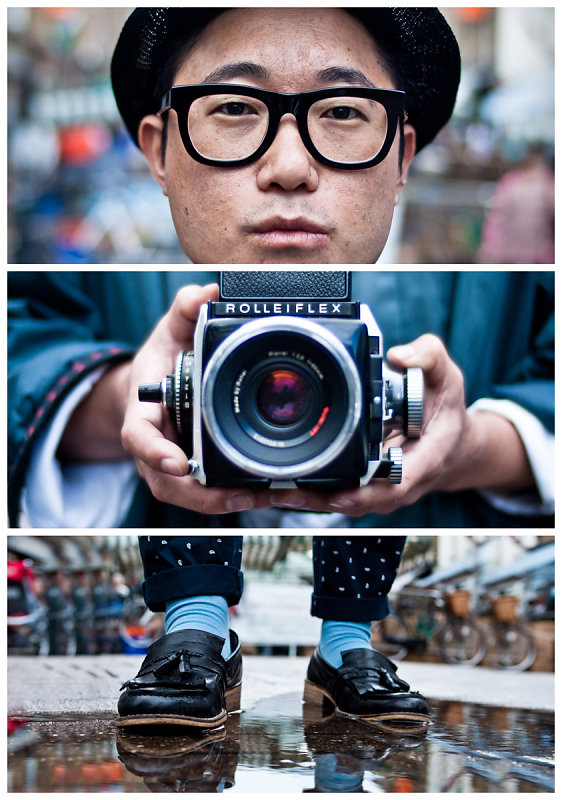
Adde Adesokan, is a German self-taught photographer to parents, whom are both of Nigerian descent and began his photograph career in 2010, after formerly working as a creative director.

Adesokan specialism is tailored mostly around street photography for the reason being this may be due to how audiences perceive his work, however states on his website ” I do believe in photographic skill, vision and a will of constant improvement” which to me, means he’s not really got a specific genre as long as an image demonstrates those three important components quoted.

In the gallery imported below, are some examples of his work displayed in his “Triptychs of Strangers” portfolio

David Hockney, was born in Bradford, Yorkshire, 1937 and is recognized for more than just his photography. Also a painter, draftsman and stage designer, Hockney is visualised and respected as a contributor to the Pop Art Movement of the 1960s as well as considered to be an influential British artist of the 20th century.

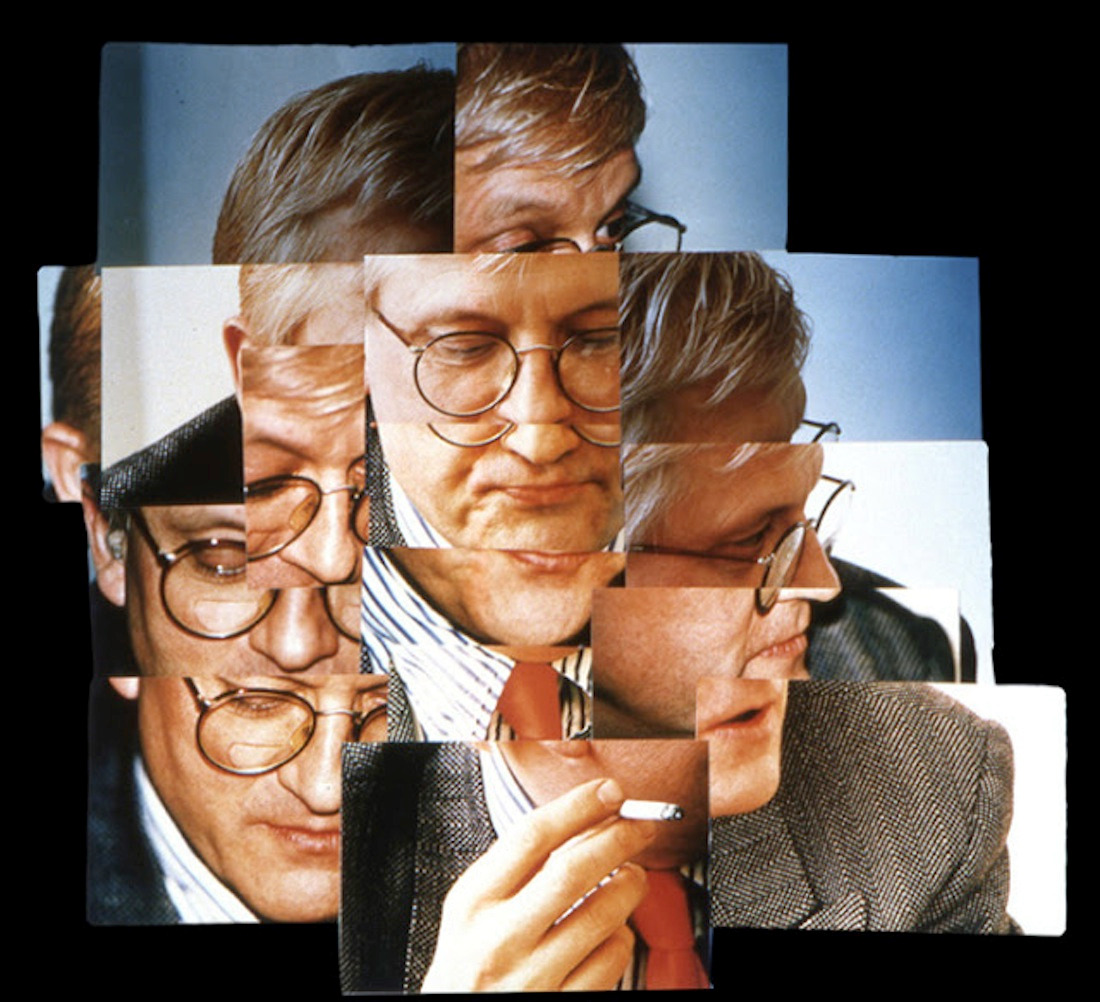
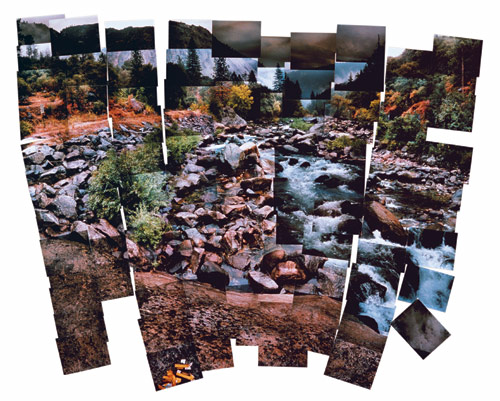
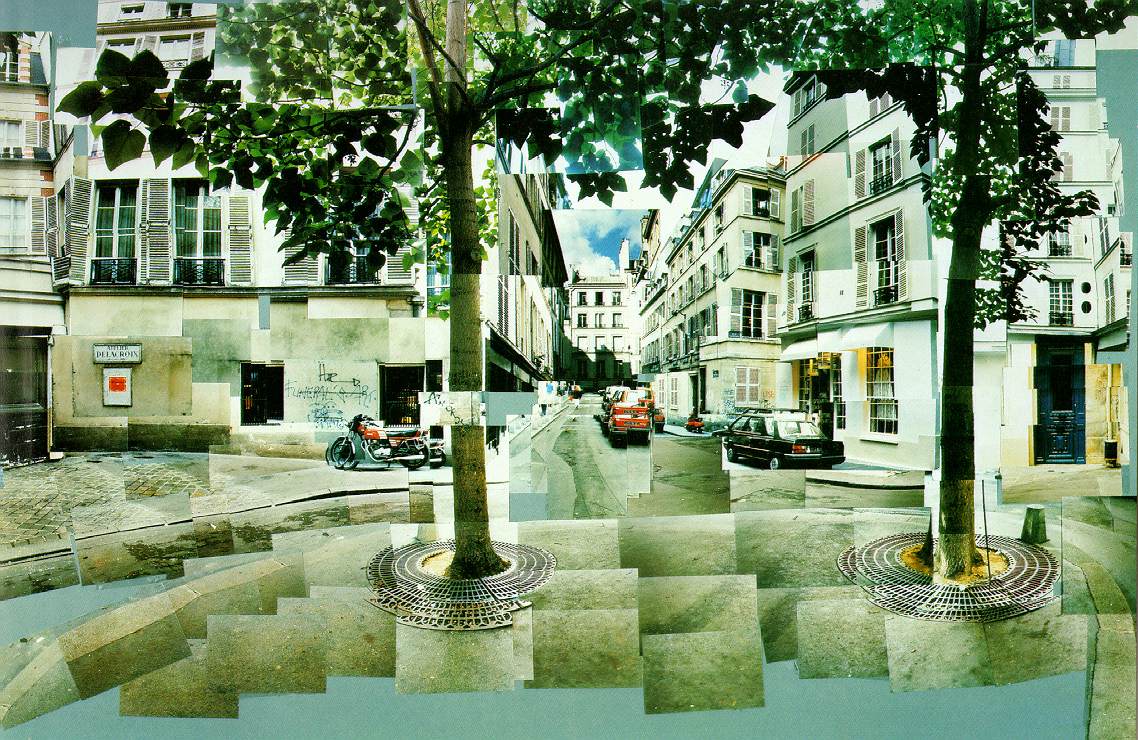
The Hockney work I’ve been inspired by is his Joiners, a photographic technique that involves overlapping images, and removing certain sections of the top layer, or cutting out a specific image and piecing back together in an overlapped way as shown in the gallery sample below.

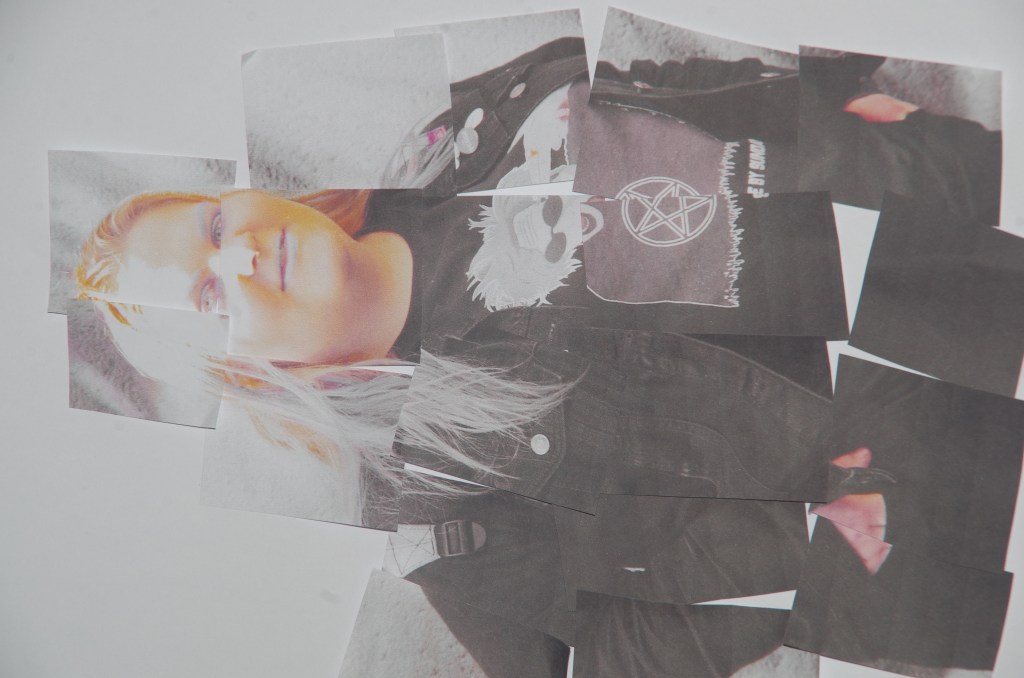
Here is an example of a David Hockney inspired joiner piece, however instead of using photoshop, I printed off a digital copy which I then cut into sections before overlapping them, creating this unusual, deformation outcome.

Mass Isolation Project

With COVID-19 causing a worldwide pandemic and affecting our daily way of living, it was suggested by my tutor that myself and everyone on the course should participate in the Mass Isolation Project and produce a series of images in which showcase the emptiness of our streets and transplant caused by this situation.

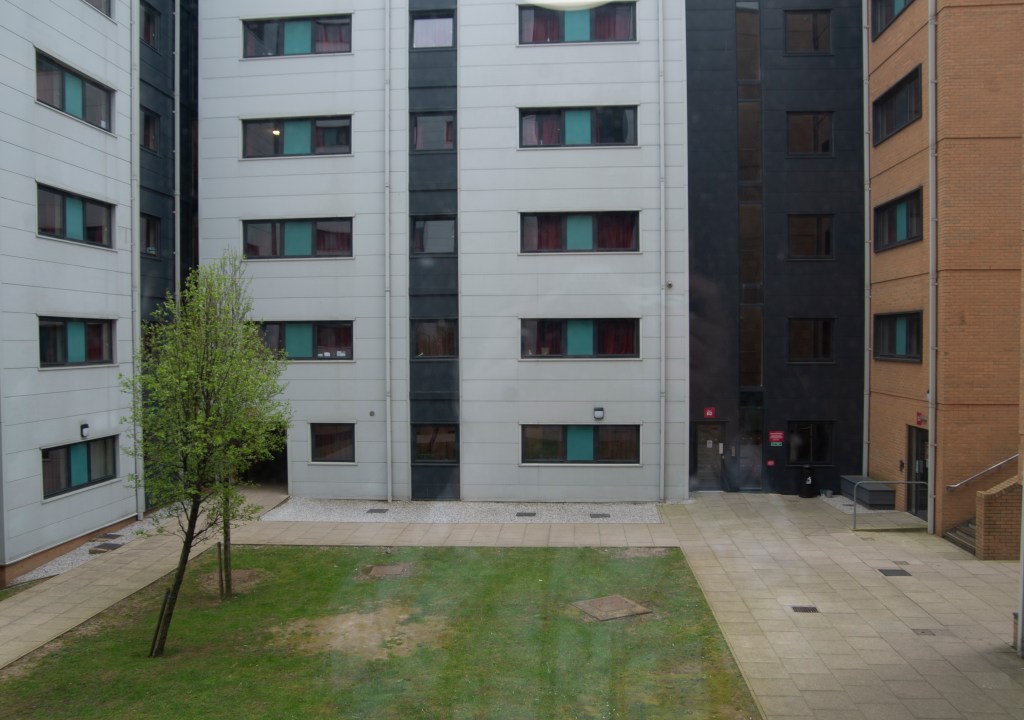
The image you see here is the original version where only a minor crop amendment has took place and this is because there was some sides of the The Pinnacles accommodation which both and looked and felt out of place.

As you can see, there’s no residents of The Pinnacles in shot and thats because the government guidelines have recommended a 2 metre distance and staying indoors meaning they’ve either returned home or remained in their flats and only going out for necessary reasons such as shopping or laundry.

An edited version has been uploaded to my portfolio.

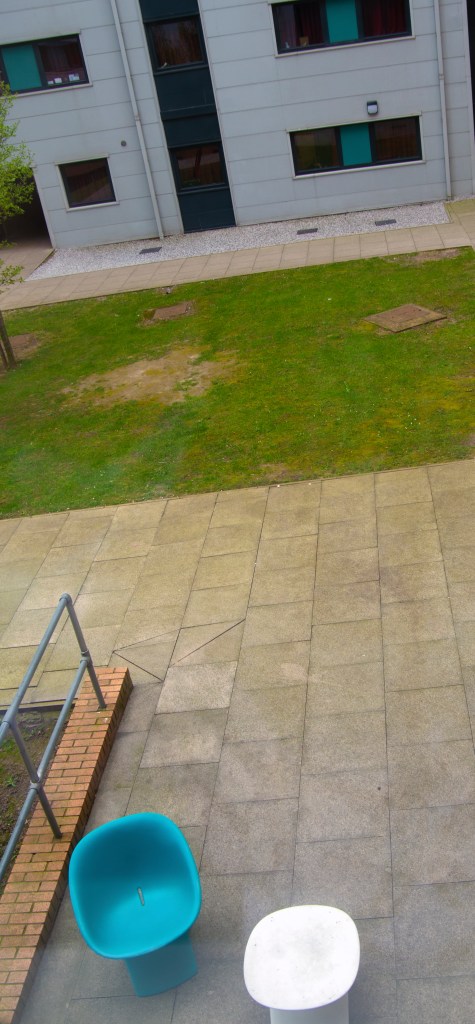
Another shot of my accommodation (The Pinnacles) however from a portraiture orientation, demonstrates another angle in which, again shows emptiness with the Court Yard chairs and table in shot.

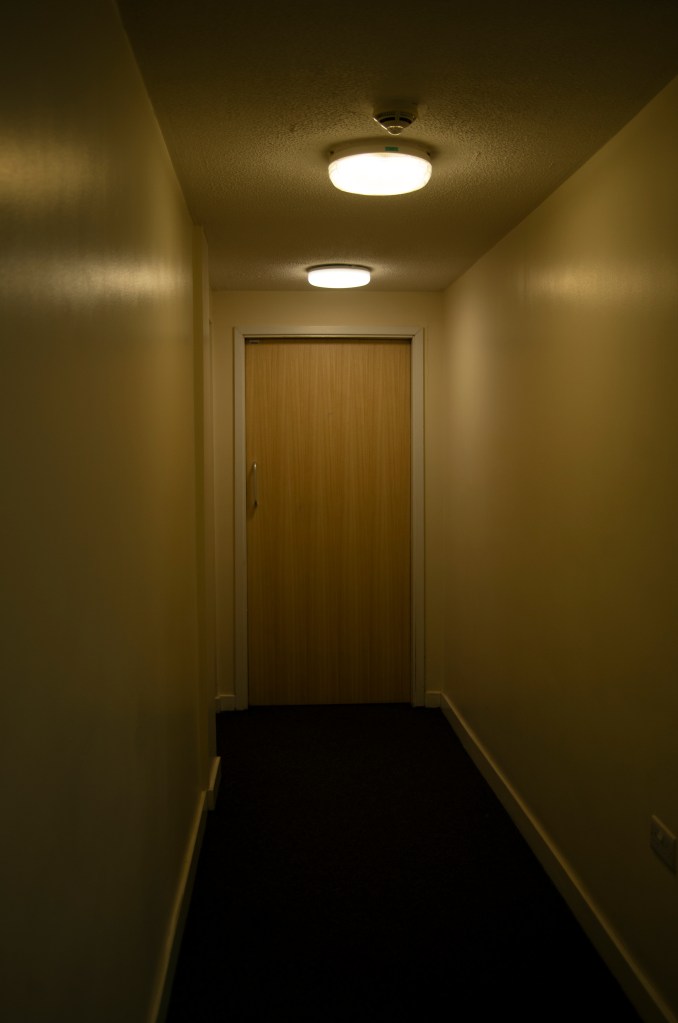
Similar to what’s displayed in my portfolio however the only difference is the door is closed in this shot whereas it’s open in the portfolio shot, this image shows the vacancy within the accommodation interior, in the fact that the corridors remain empty, with the lighting (non-edited) capturing an eerie, ghostly feel.

Formal Elements

With the whole country being in lockdown and only travelling for essential reasons due to the Coronavirus / COVID-19 outbreak, I knew my portfolio would be affected in the fact I wouldn’t be able to complete my initial theme and therefore, when I returned home back to Hull, I decided to photograph within and outside my household, focusing my attention on formal elements, such as frame within a frame, leading lines and geometric shapes.

Focusing on the formal elements required when composing images, this shot clearly shows I’ve paid attention to the frame within a frame technique, whilst forming a daguerreotype style in terms of reducing the hue and saturation via the colour balance option.

I decided not to include this image into my portfolio as it’s not one of my strongest edits, but one that demonstrates my understanding of different techniques.

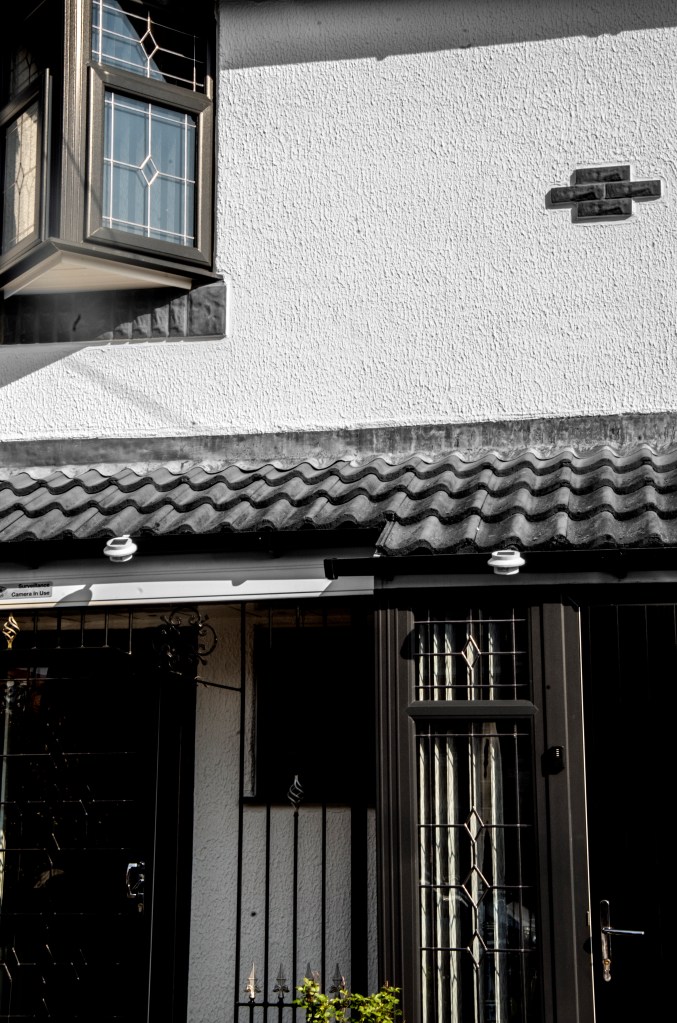
Again sticking on the formal element side of things, there are are numerous that have been included such as frame within a frame, area of space and geometric shapes.

To elaborate on the above paragraph, the frame within a frame technique can be seen throughout the image, specifically towards the bottom sector in which the entrance to my house is my displayed, with the frame within a frame and geometric shapes method being combined in regards to the window shown top left corner.

In terms of area of space, majority of the frame has been used with only the white brickwork showing the most vacant open area throughout the whole shot, and because of this, I believe the overall result of the image, works.

Textures

Sorry for the in-activeness, I’ve been heavily overworked due to working on the front-line but I’ve got some time in my schedule to keep you all up to date with my portfolio plans starting with this entry. As COVID-19 has taken the world into a crazy pandemic resulting in only being allowed out for specific reasons, unfortunately photography isn’t one of them, and therefore have had to come up with alternative options in order to ensure my photography and portfolio are successful but also keep myself occupied when I’m not outside saving lives, therefore deciding I will focus my ideas on an array of themes, beginning with textures.

Now, I know looking at the rest of my work, you wouldn’t think textures is ideal, but due to the current situation, the locations I’ve wanted to shoot at are temporarily closed, meaning I can’t travel, and therefore I felt like textures would be a shoot thats easy to composed within my student accommodation as there’s a variety of rough and smooth feeling materials.

Portrait Shoot 2

On Thursday 19th March, before the government announced a lockdown, my friend Courtney, who’s featured in my previous portraiture shoot, came up to Sheffield for the weekend and we felt it would be the perfect opportunity to compose another shoot, and therefore decided Peace and Winter Gardens would be the best location for the fact, the location is exterior, but produces well lit backgrounds and scenery.

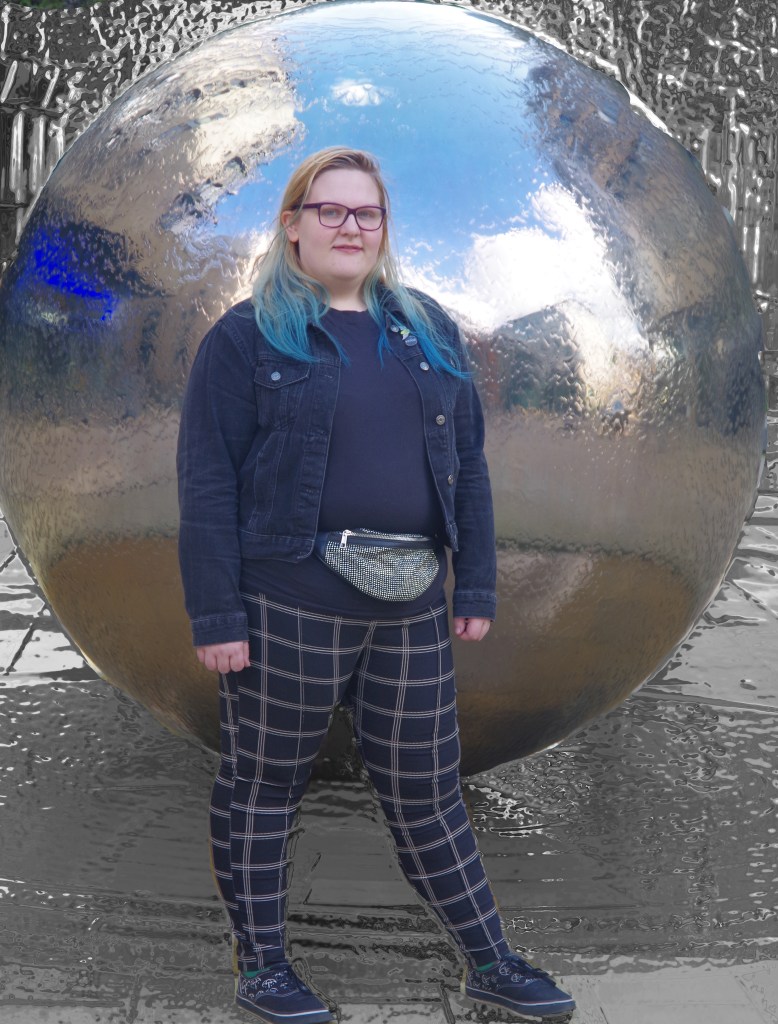
Not one of my best images, however one I’ve evidently edited, this image is a full body shot in portraiture orientation. This is because my talents head and feet are in the frame, implying this specific camera angle has been used.

The original version of the image, is in colour with the trees in the top right and left of the frame blurred, however here all scenery including the water below the fountain has been manipulated with the chrome filter under the Filter Gallery option on Photoshop.

Peace & Winter Gardens

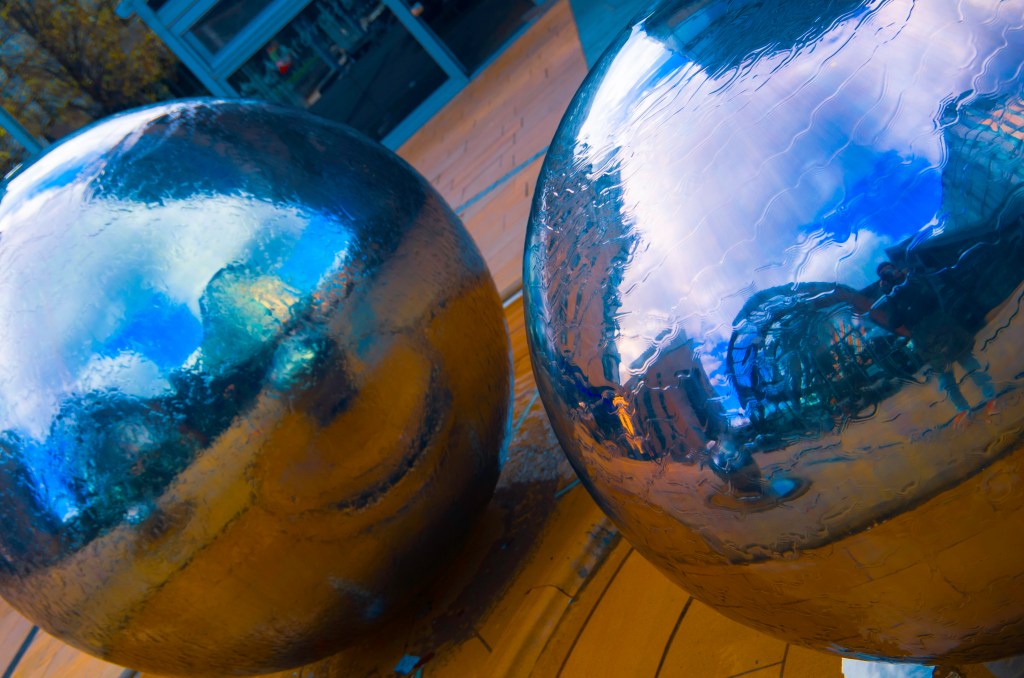
Originally, the theme for my media project was wildlife, in which trips to both The Deep and Yorkshire Wildlife Park where in mind, however, after various tutorials with my lecturer, we came to an agreement that I should combine multiple themes into one final project, and therefore today, I headed out to produce images within the Peace and Winter gardens that focus my attention on Macro and Reflections.

As Sheffield, is renowned for its steel, I felt it was right to pay homage to the industry and architecture in a photographic way, and therefore came up with the idea of producing a series of images, that showcase just that.

This example is just an insight into what will be displayed in my portfolio section, which can be found on the navigation bar, top of the site.

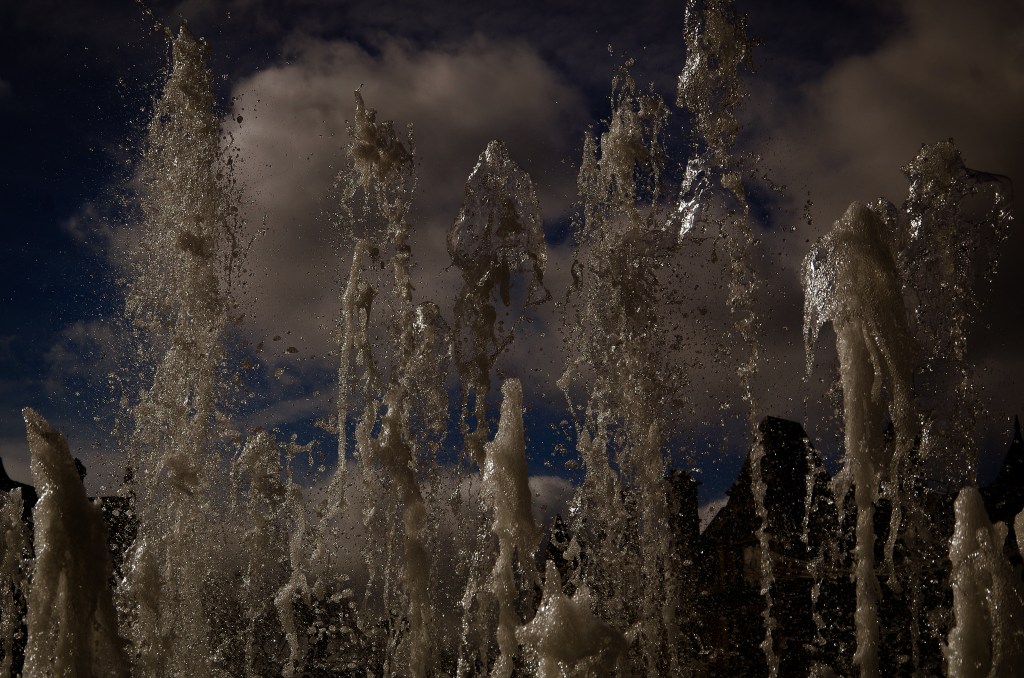
Not exactly, reflection related, but yet still an interesting image, this shot taken of the fountains within Peace Gardens, demonstrate a strong understanding of DOP (depth of field) in the fact that the skyline is slightly out of focus whilst the main subject is sharp and in focus.

Throughout the post-editing stage, observing the image now, I do believe the exposure / brightness could have been minorly been enhanced, as a way of increasing the hue of the skyline, but apart from this, I’m still satisfied with the result overall.

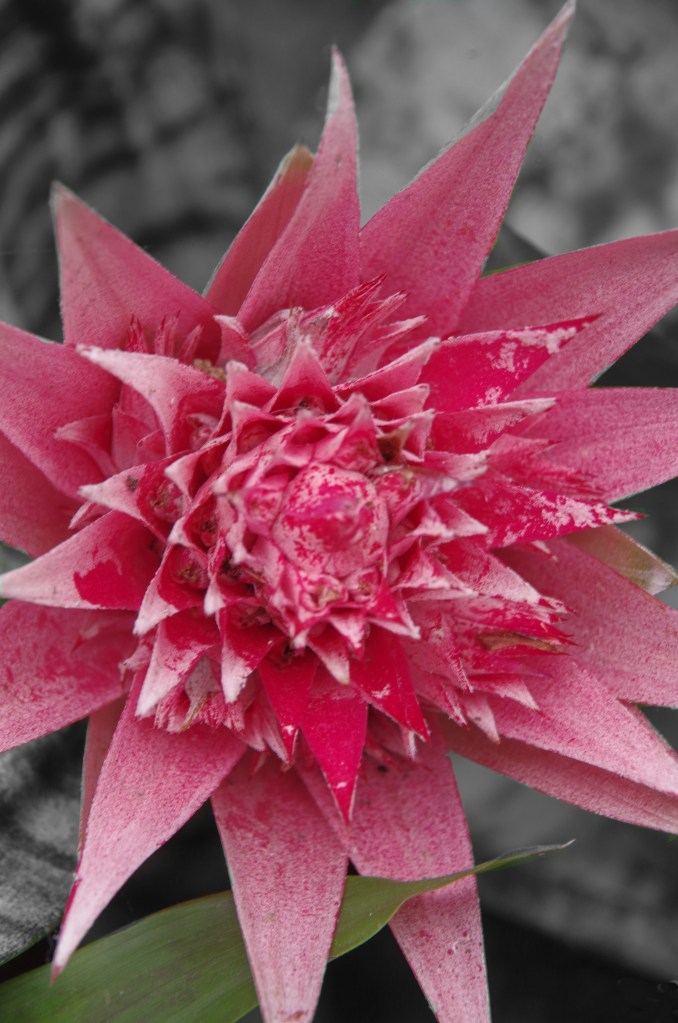
As this segment of the blog is focused / writing up about my day visiting Peace and Winter Gardens, I felt a well photoshop manipulated image from the series, would be beneficial to show my understanding of editing software. Mostly with the reliability of photoshop, however Lightroom was also used, I was able to transform the original version of the shot into something that showcase my post production ability.

Inspired by The Glass Flowers at Harvard book, mentioned on the previous post, this shot evidently demonstrates a well planned out, constructed and manipulated image in which was taken in Sheffield’s Winter Gardens.

Likewise to the shots above, more floral images will be included in my portfolio.

Library

With the media project research and planning workshop deadline approaching, our lecturer felt like a trip to the library would be beneficial as a way of conducting artist research, who may help influence our media project and portfolio.

As my initial idea was to focus my work on wildlife, I started looking up wildlife specialised photographers and their work to see how I could improve the images I produce as part of the portfolio, however due to this COVID-19 pandemic, there’s a slight chance I may have to postpone any upcoming wildlife trips I had planned, and go with my back up plan, which will be a combination of reflections, exterior portraits and flowers, in which shooting has already begun, with posts and portfolio progress to follow.

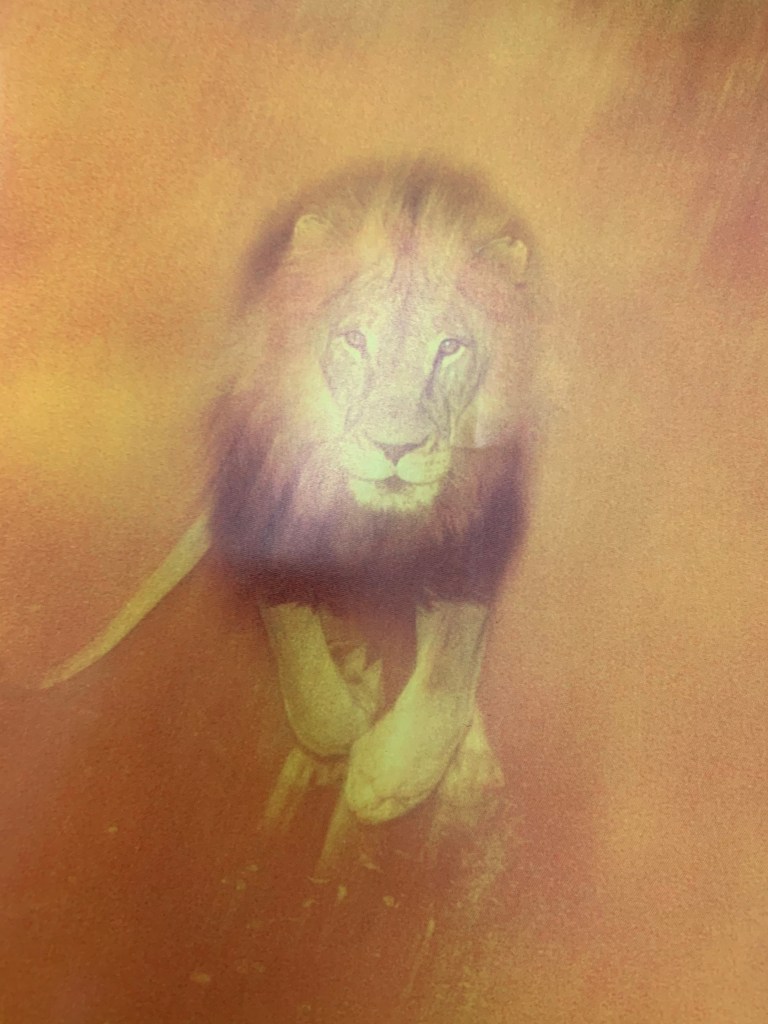
This image, taken from a book I went through on the library, clearly demonstrates a lion, in which I was hoping to similarly recreate if I got access to Yorkshire Wildlife Park, however in order to create the brownish yellow hues, Lightroom and the sepia effect would be required.

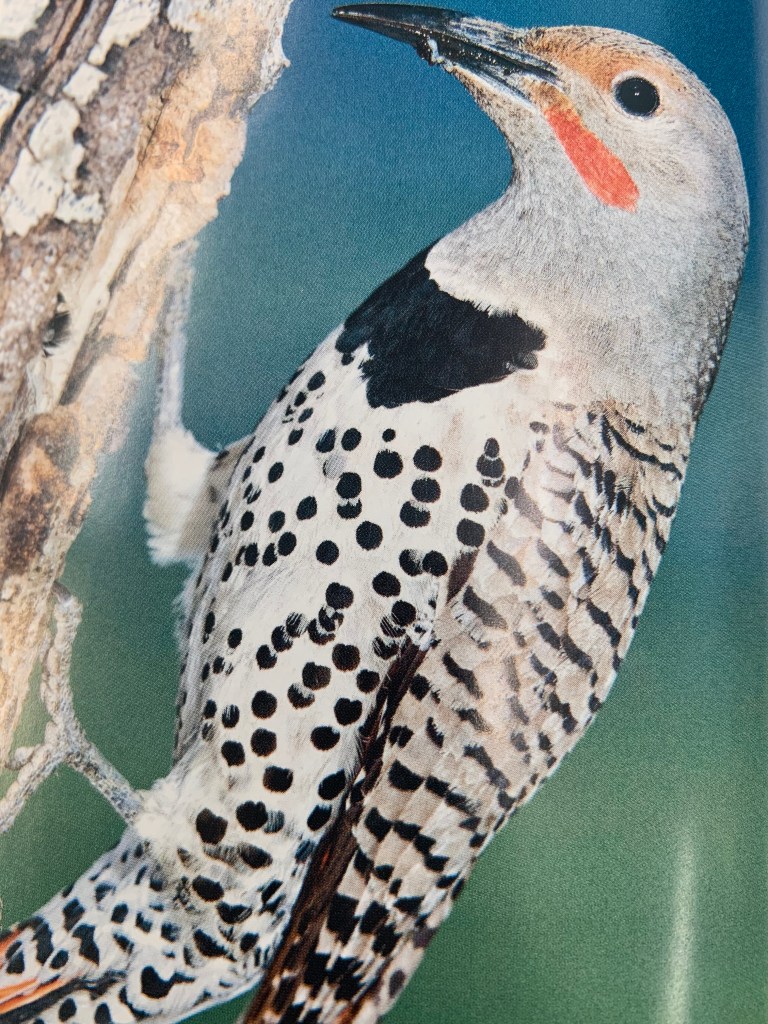
Taken from the same book, if access to Yorkshire Wildlife Park isn’t granted for the unforeseen fact of the COVID-19 pandemic, close ups of birds within Sheffield, may be another option I could consider as they fit under the wildlife category and easily accessible, due to being in open space, however my only concern is social distancing as, this is one of the main issues raised throughout this outbreak.

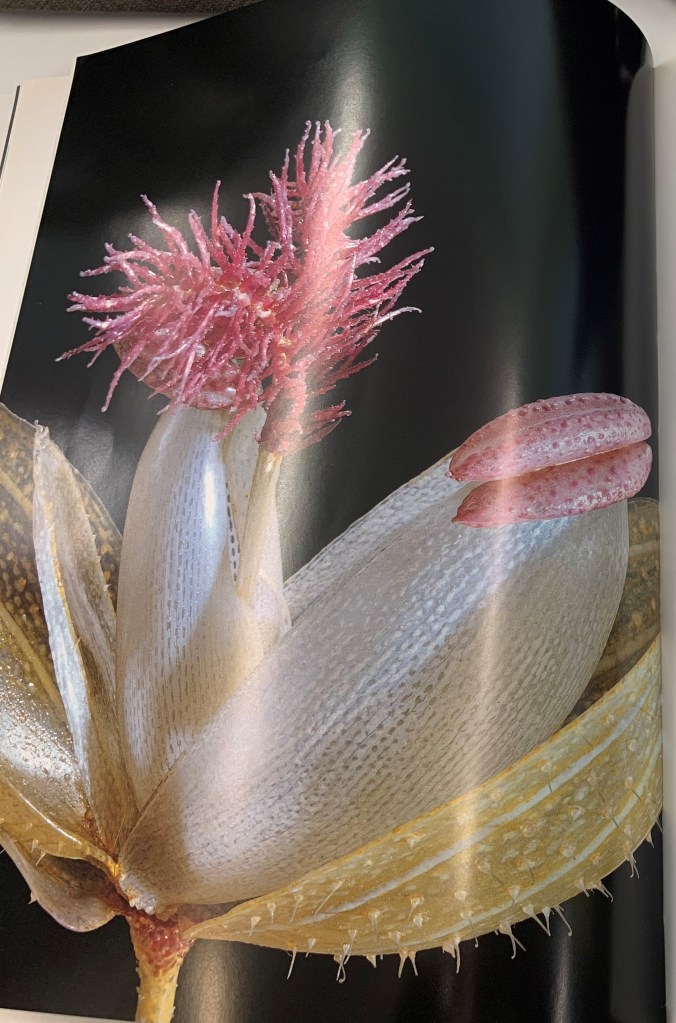
Taken from The Glass Flowers at Harvard book, written by Richard Evans and William A. Davis, with the images captured by Hillel Burger, this shot samples a well composed and sharp flower, in which gave me the idea to shoot macro / close ups of flowers within Winter Gardens.

Darkroom

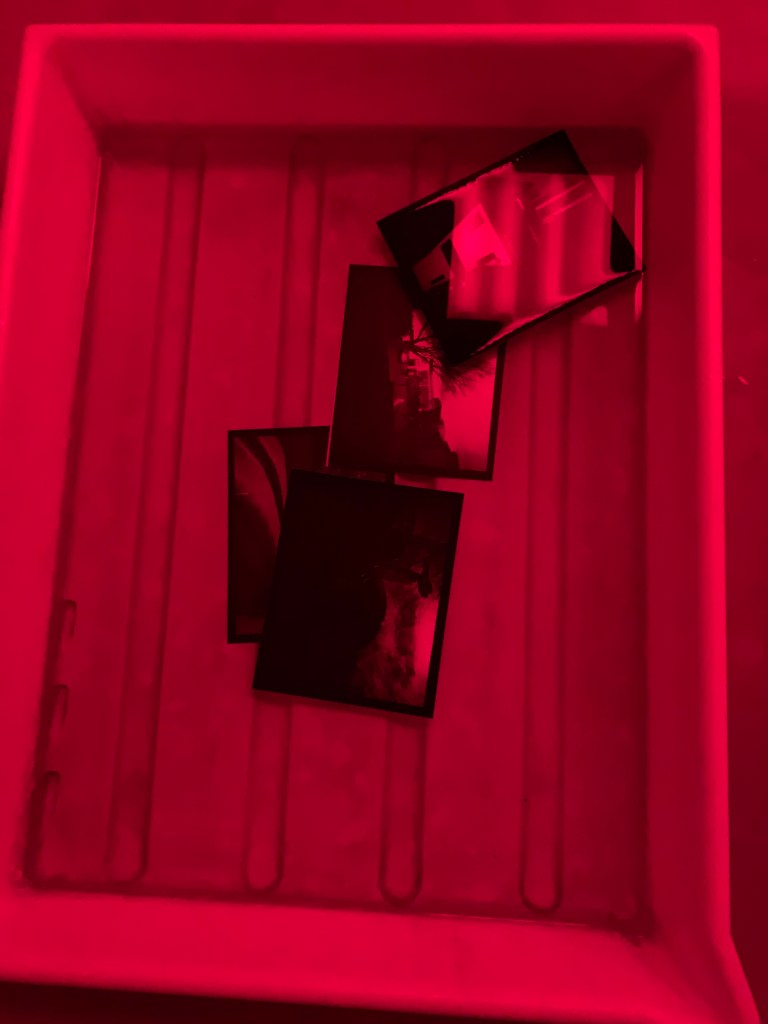
The ‘darkroom’ technique derives from the daguerreotype process invented by Louis Daguerre, and is a method in which entails the use of chemicals as a way of developing captured images from paper negatives. As paper negatives are severely sensitive to light meaning the exposure would be affected before the photo is even produced, when in a darkroom, it is ideal that the lighting is switched from white to red to prevent.

In this image, you can see the paper negatives in the development process, meaning the photograph is starting to take shape.

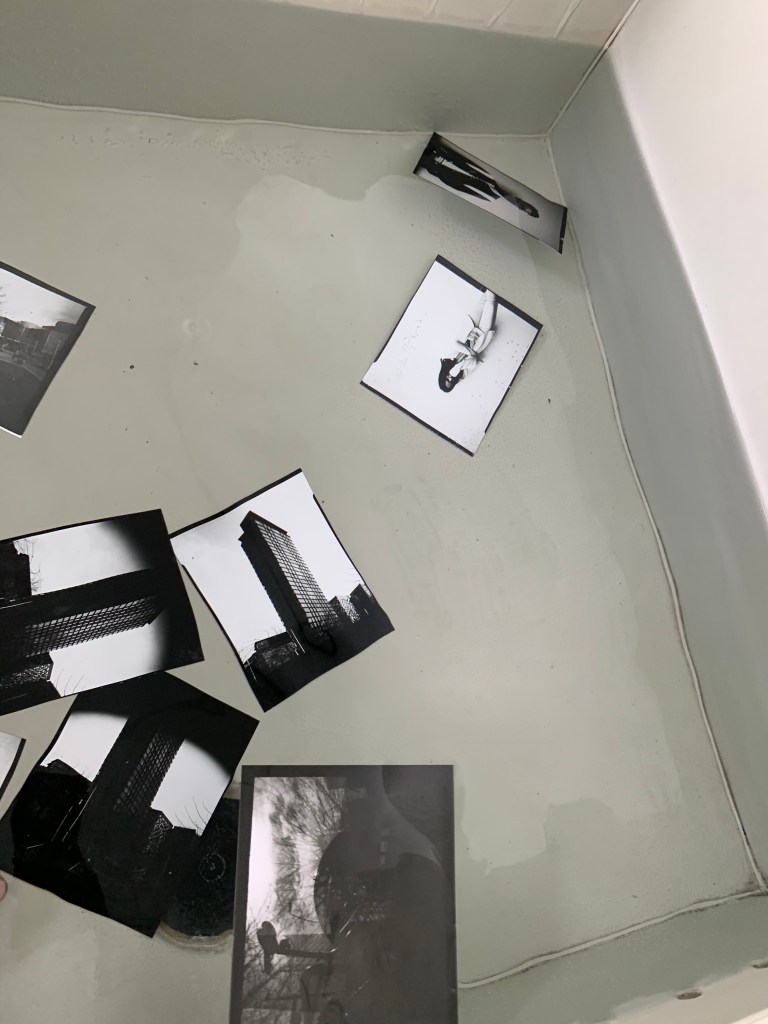
Depending on what style of negative paper has been used, once the first 3 stages of development have been completed, the images are left to wash. The washing technique bonds, removes any excess chemicals before being left to dry

The development process for darkroom produced images are as follows:

Development- Resin Prints are left in a developer chemical for roughly 1 minute ensuring the tray is rocked gently back and forth as this allows the whole image to be covered and develop.

Stop- Carefully handling the prints either with tongs or manually with your hands, remove the negatives from the developer solution into a another tray for approximately 20 seconds.

Fixer-Similar to steps 1 and 2, once the 20 seconds is up, move the prints from the soap bath and into a tray of fixer for 5 minutes. After this, send them down a shoot into a tray of cold water to be washed.

Postmodern media and appropriation

This weeks lecture and seminar turned our contextual attention to postmodern art forms and it’s appropriation. To put this term briefly, postmodern media and appropriation is how texts pay tribute to one another.

Roland Barthes- Barthes is renowned for writing “Death of the Author” as a way of conveying the message that ‘originality was impossible” arguing that media texts should be open to interpretation.

There are various types of postmodernism within media texts such as:

Bricolage– a French term for DIY

Dystopia– Future world thats undesirable

Pastiche– An imitation of ones work but also seen as a celebration

Simulacra- Latin term for ‘similarity’ and means there are endless copies or adaptations being created until eventually the original will no longer exist

Activism

Due to personal reasons, I was unable to attend this session, however was briefly informed as to what both the lecture and seminar were covering in terms of activism as well as caught up via the powerpoints uploaded onto Blackboard.

What is Activism?: To put it briefly, the term ‘activism’ is an act of attempting to make change and is mostly associated with political issues such as general elections and brexit to name a few examples.

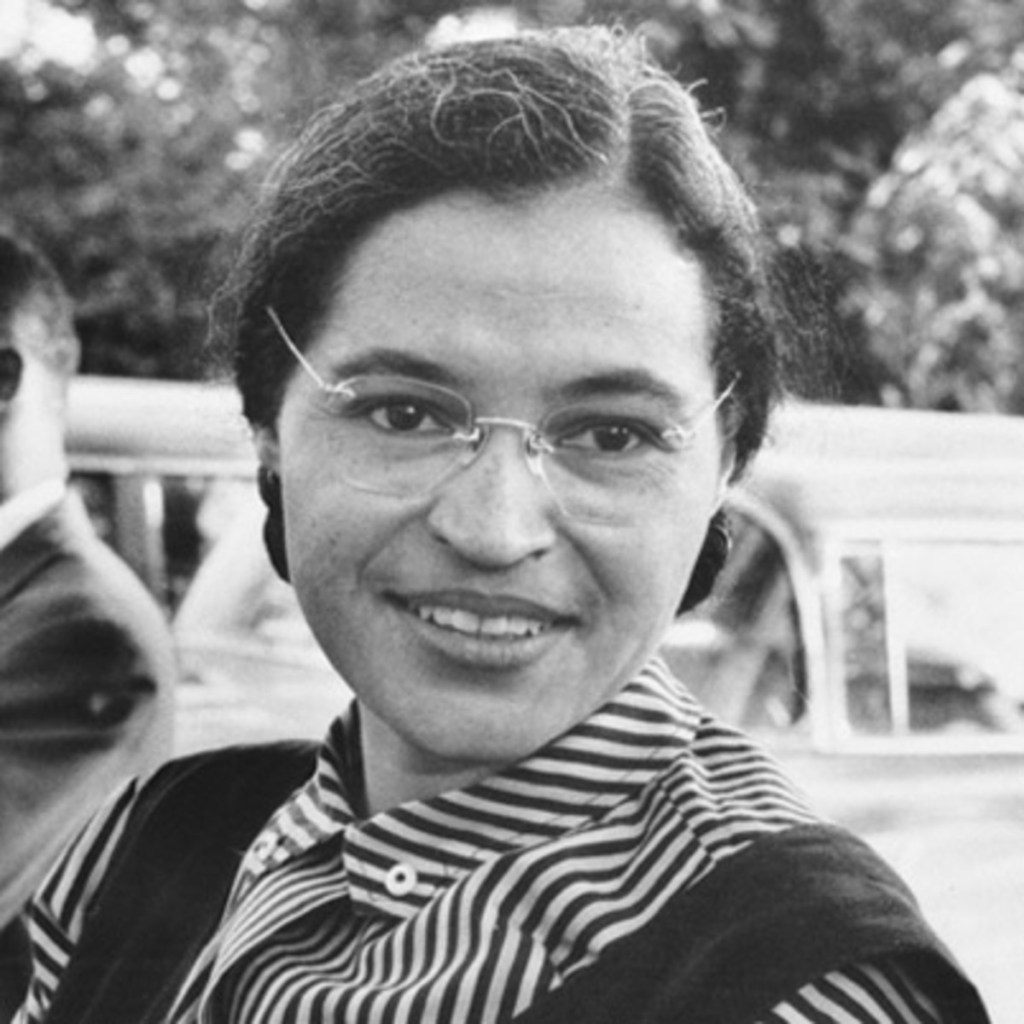
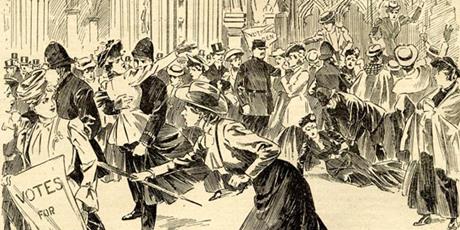
Going back in time and observing activism from a historical perspective, civil rights is one example which still applies in today’s society, with the right to vote and equality being the most common examples for the reasons being that it wasn’t until 1920 that women were allowed to vote in general elections thanks to the endless campaigns set about and voiced by The Suffragettes (1890-1919) lead by Emmeline Pankhurst and Rosa Parks who purposely refused to give up her seat on a bus designated to white Americans as racial segregation was a huge issue in the US and around the world until 1974.

Suffragettes https://www.parliament.uk/about/living-heritage/transformingsociety/electionsvoting/womenvote/overview/startsuffragette-/
Create your own website, free on WordPress.com.Create your own website.
Start free