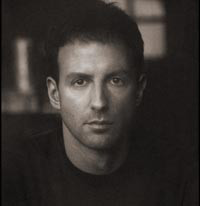
Photographer: Nick Brandt

https://www.discogs.com/fr/artist/1599765-Nick-Brandt

Born in London, Nick Brandt has become one of the most successful and renowned contemporary photographers , who’s career and passion for photography came to the surface in 1995 when, he visited Africa for the first time to direct and film the Michael Jackson, ‘Earth Song’ music video. It was this iconic video in which made Brandt become so infatuated with the landscape and wildlife in which Africa had to offer, and therefore made a career transition from film and devoted his work to photography.

Earth Song directed by Nick Brandt

Shooting mostly via monochrome (black and white), Brandt is known to eschew the use of telephoto lenses, in a way of ensuring he produces intimate animal portraits instead of wildlife reportage / documentary, quoting “I’m trying to capture the animals in just being, their personalities, their souls and to photograph them in the exact same way as if I were photographing a human being” .

Another reason why Brandt tends to make preference to black and white photography compared to colour is for the fact that whilst colour focuses on the essentials of animal expressions, desaturation to black and white creates effects that are somewhat timeless. To elaborate, although he photographs wildlife, hes also trying to deliver a message within his imagery, a message so important that can be clearly understand through black and white. The message being delivered is about the loss of wildlife and conservation due to various human activities… ie, poaching, wildfires etc.
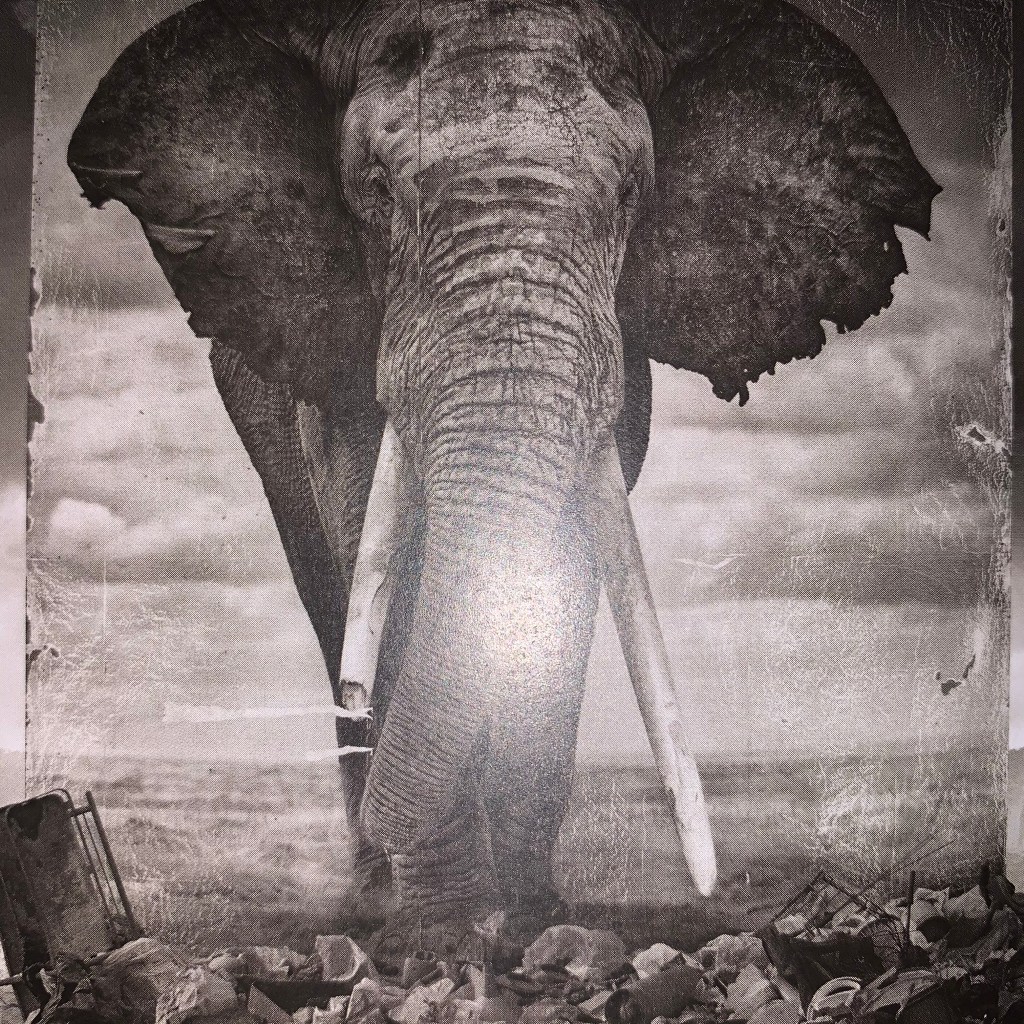
Captioned ‘Wasteland with Elephant (2015)’ this image composed by Brandt is a full length landscape shot however I sourced the first half of the image in order to allow the features of the elephant to stand out, such as its wrinkles on the trunk and rough edges on the ears.
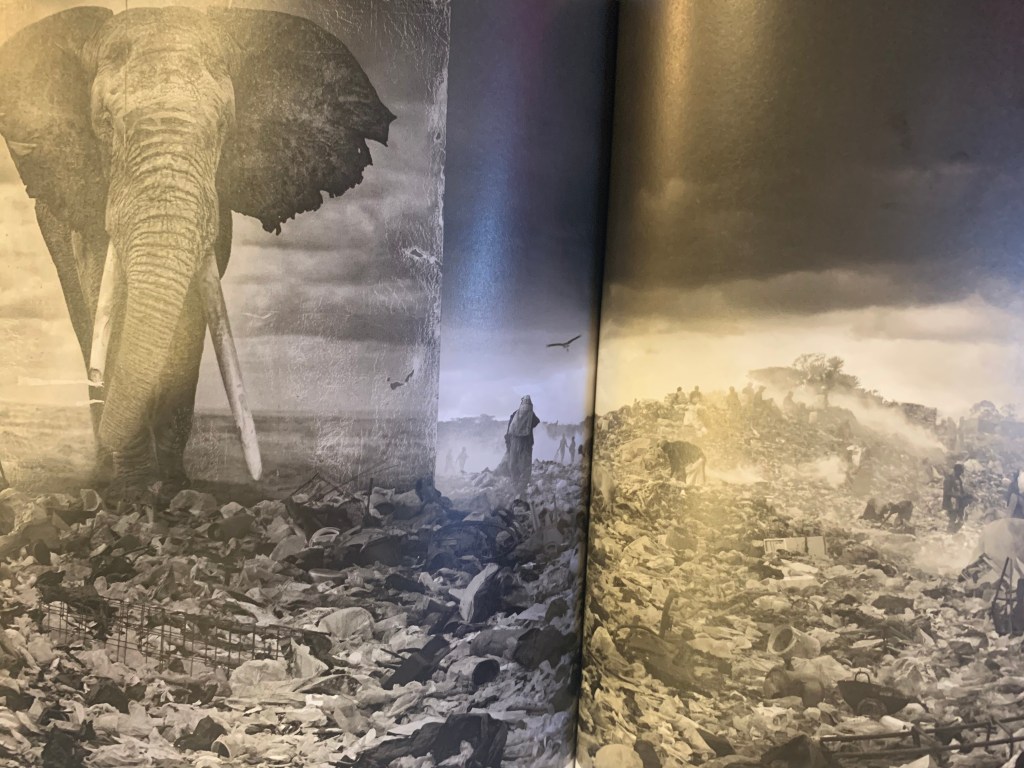
What you see here is the full length image of the shot above, which evidently backs up the caption of ‘Wasteland with Elephant”
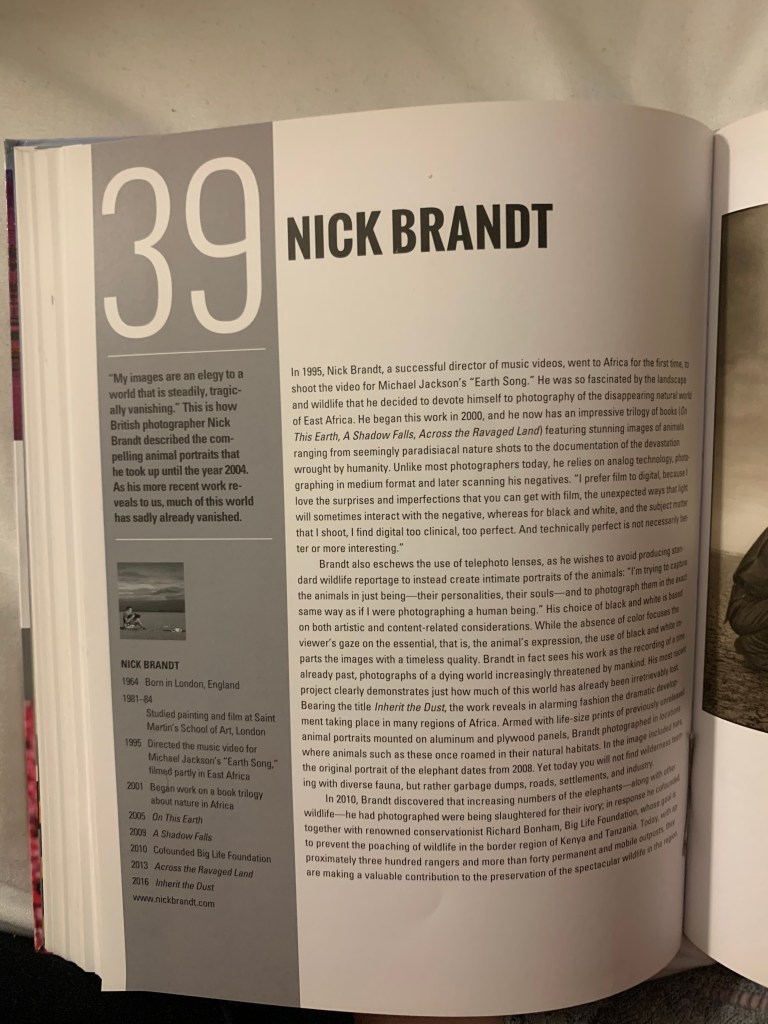
Brandt has been listed as the 39th photographer in the ’50 Contemporary Photographers, You Should Know ‘ book written by Florian Heine and Brad Finger, which is where both the above images and research was sourced, therefore demonstrating a secondary source.
The Deep (Revisited)

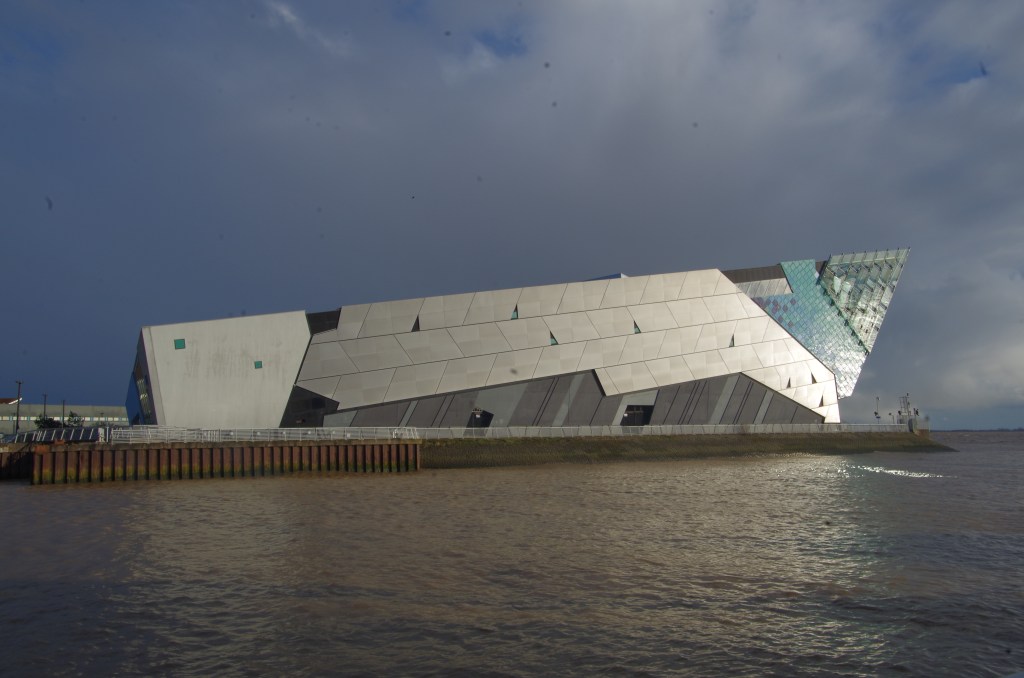
As you may know by now, the theme for my portfolio and media project is wildlife and recently visited The Deep, an aquarium within the city centre of Hull that provides views of the Humber Estuary and is home to over 5000 animals including seahorses, sea turtles, penguins and jellyfish.

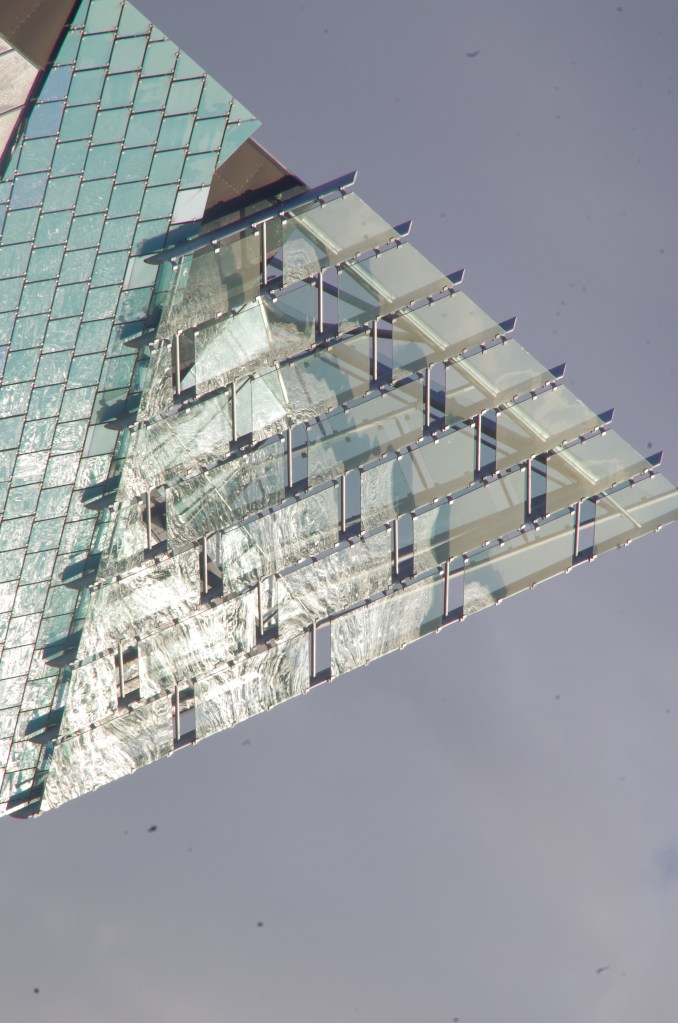
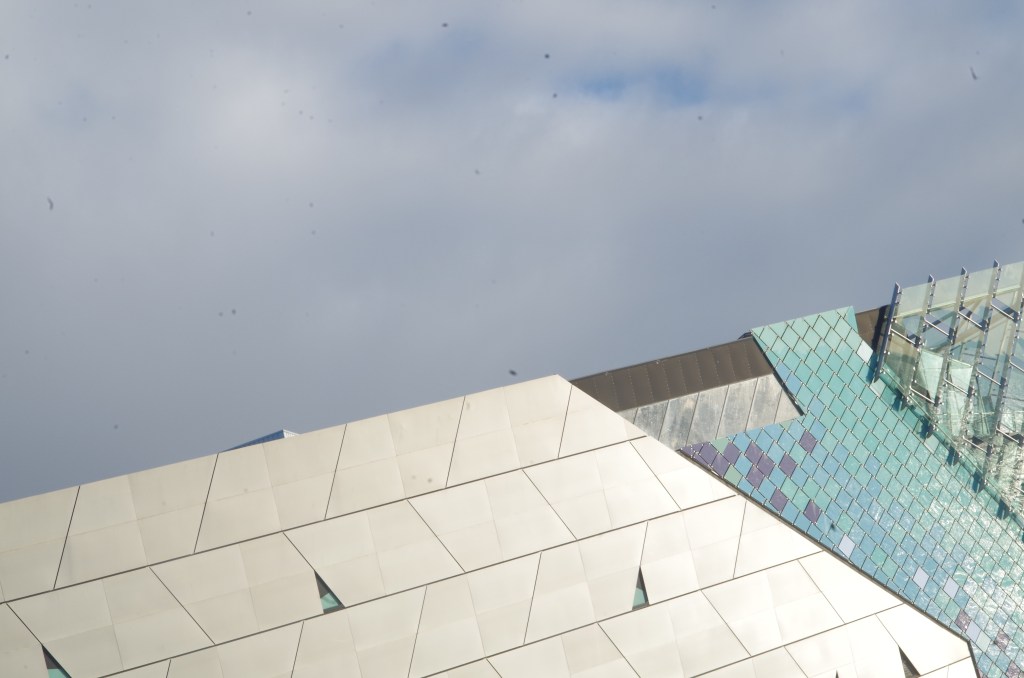
Exterior shot of The Deep

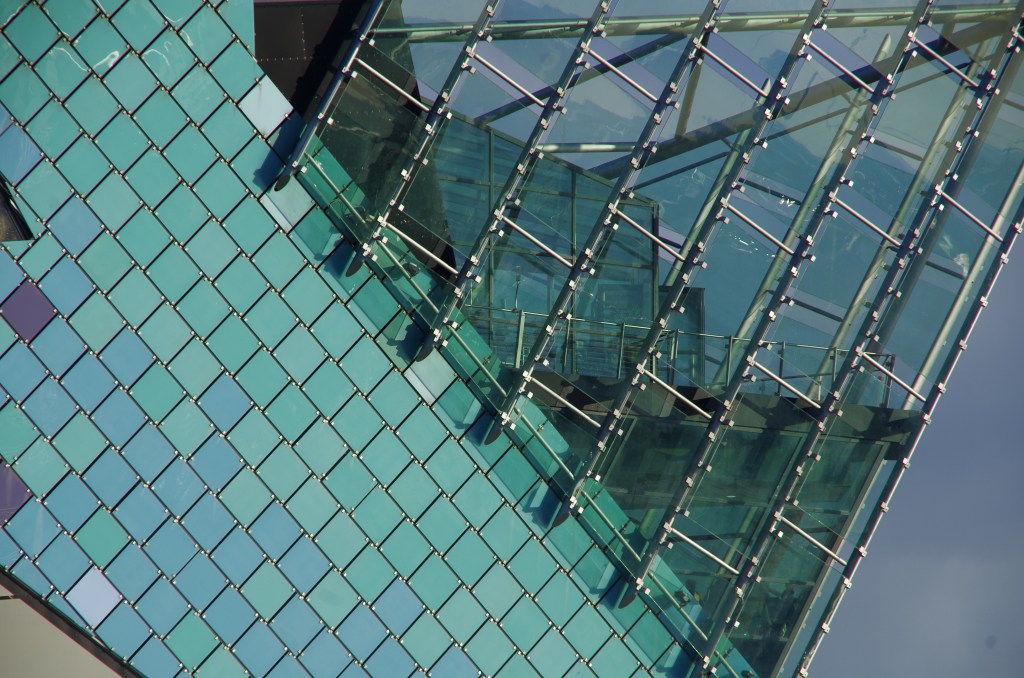
I felt like capturing a series of exterior shots would be beneficial to help as a way of producing an array of angles and therefore some of the images from this selection may create an abstract effect.

Interior shots of what The Deep has to offer were also revisited as I wasn’t successful in capturing certain aquatic animals for both the reasons that I didn’t have my camera on the correct settings and due to the amount of people visiting, I wasn’t able to get a good view. As well as this, the reshoot involved me shooting via extremely high ISO’s of around 4000-6400 for the reason being I had to shoot through glass meaning my composition and vantage point was somewhat restricted.

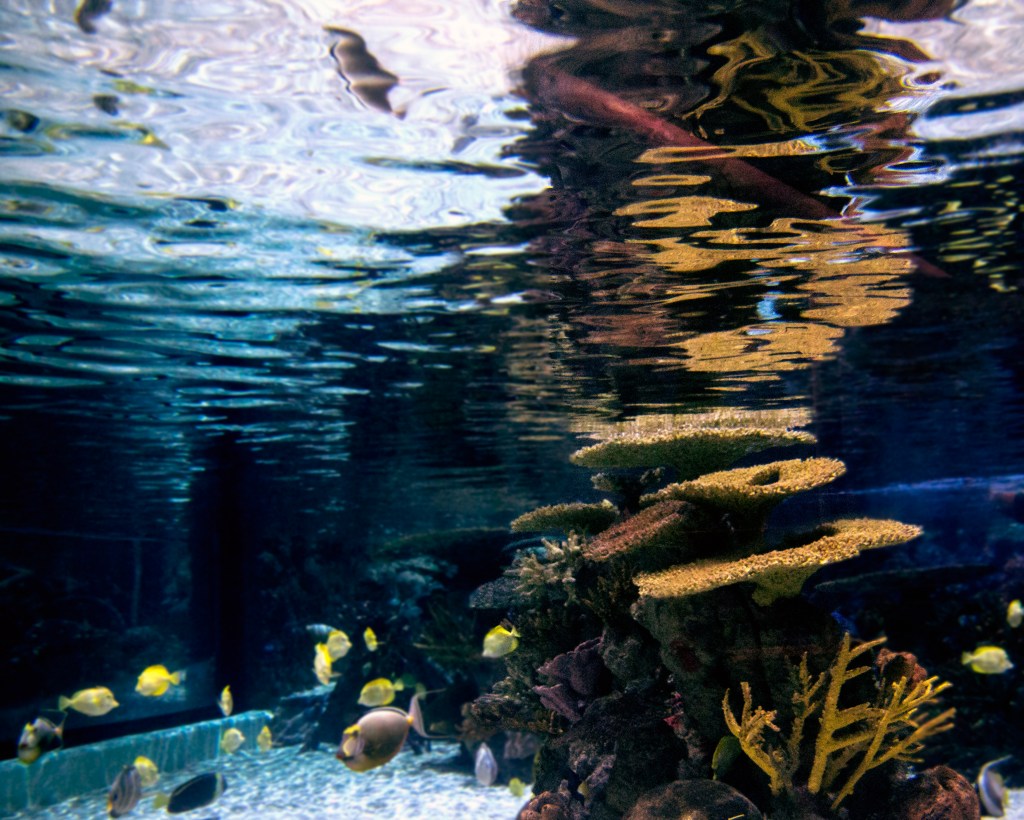
I’m extremely proud of this shot for the reason being I was able to experiment with the radical blur tool on photoshop, allowing me to create a background thats blurred with the coral being in focus as this was my main subject.

The image was originally shot with an ISO of 6400, which is exceedingly high and above the average as it causes noise, however for the exception that the shot was trying to capture an underwater effect, I believe the final outcome has been successful, as when observing the image from the blogs perspective, the high ISO cannot be noticed.

Not much has been done to improve the overall effect and result of this image, as the original shot was well and thoroughly composed. The only changes made are a reduction in exposure and framing alongside the inclusion of the radical blur.

What I find the most effective and interesting about this photograph is how the coral is reflected at the top of the frame in the water ripples.

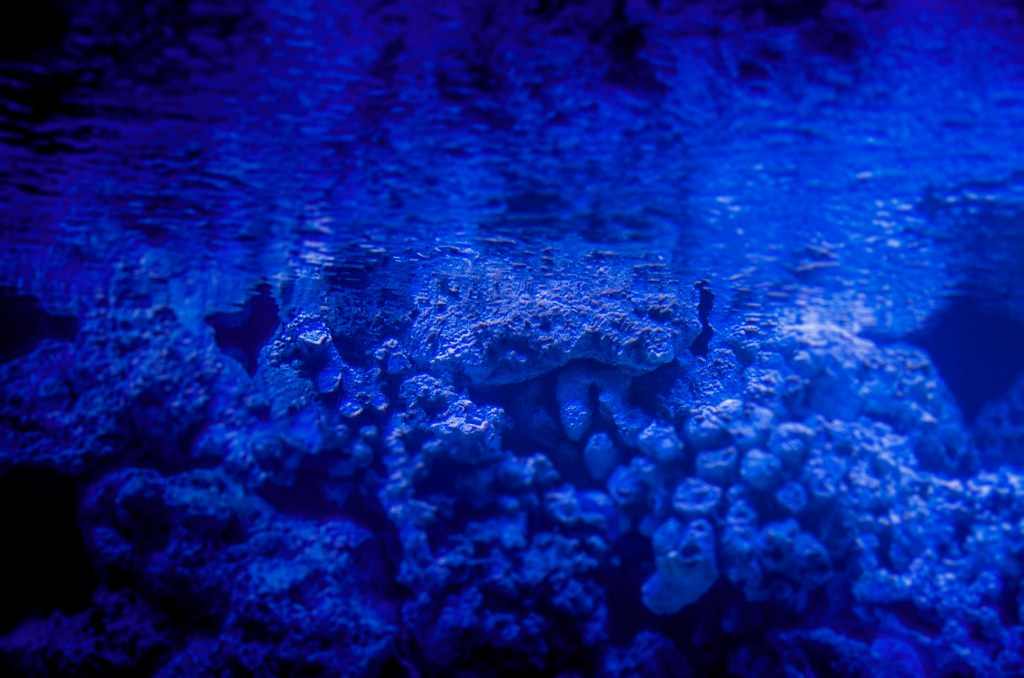
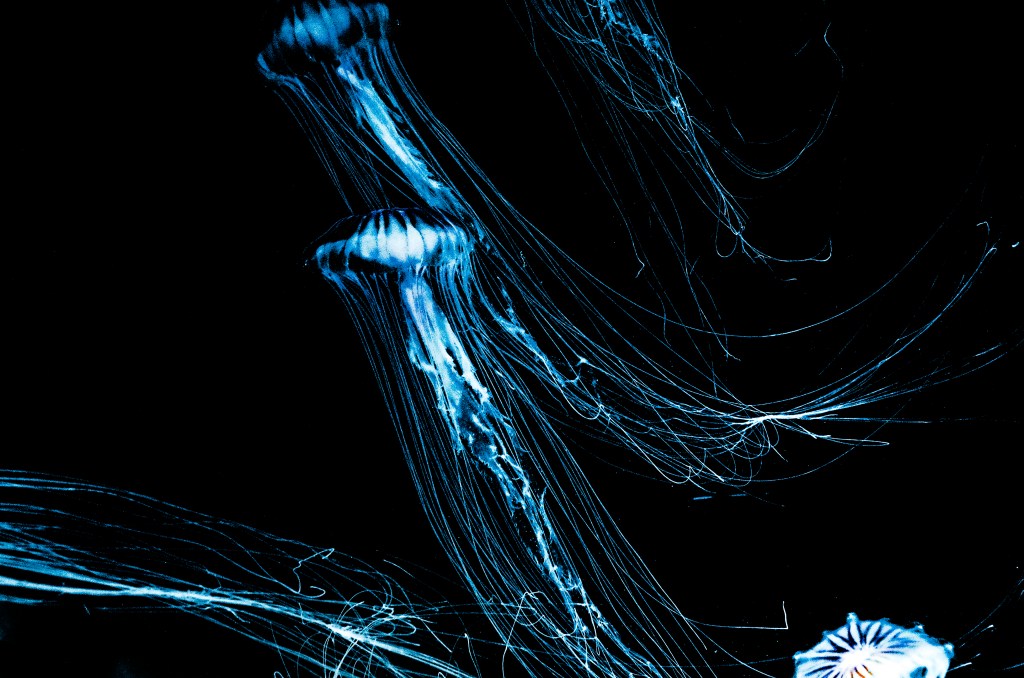
Manipulated on Adobe Lightroom, and created using an exceedingly high ISO recording, due to the fact I was shooting through glass in a poorly lit environment, this image of the Box Jellyfish, has been amended in the fact that I’ve increased the hue and saturation to form a contrast between the highlights and shadows in which is visible and removed all unwanted blemishes which left me with a black background.

Feren’s Art Gallery

As part of my media project, I want to ensure a variety of primary and secondary sources have been used as both part of and to develop my research into the types of genres and photographers I may decide to show influence from in my final outcome demonstrated in my digital portfolio, hence why I made a return to my hometown of Hull and visited the Feren’s Art Gallery as I knew the work on display would be the originals and therefore a primary source example.

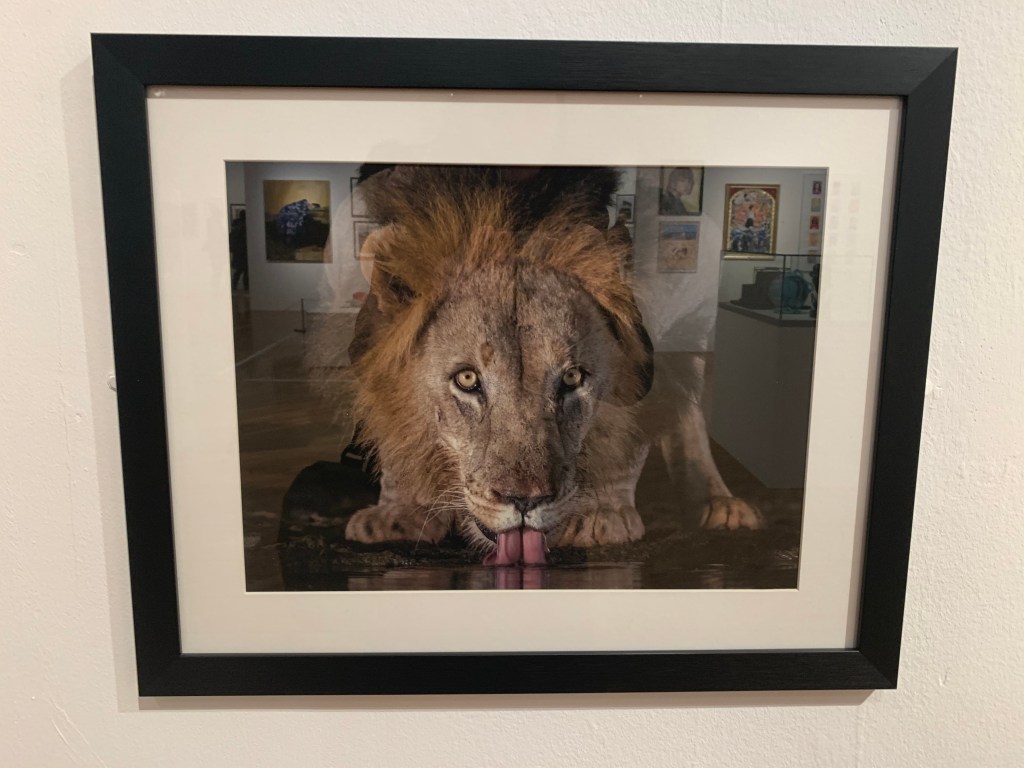
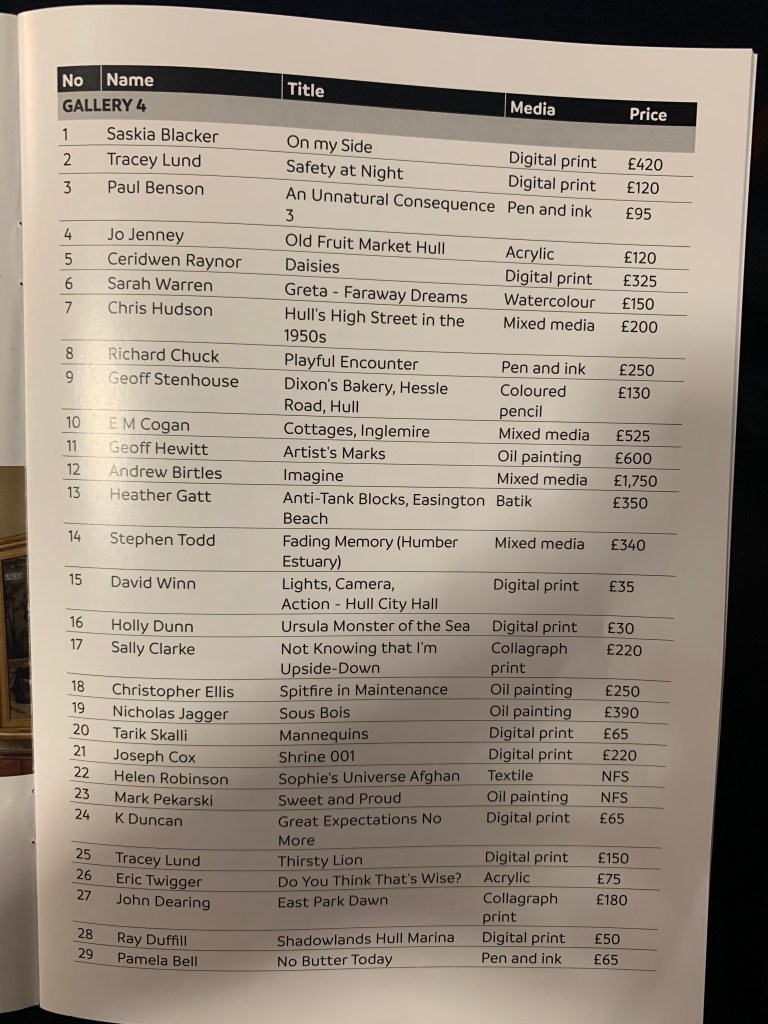
As my attention is drawn to wildlife photography of both land and aquatic, this digital print by photographer Tracey Lund captioned ‘Thirsty Lion’ is a prime example of the type of images I may want to consider for my portfolio

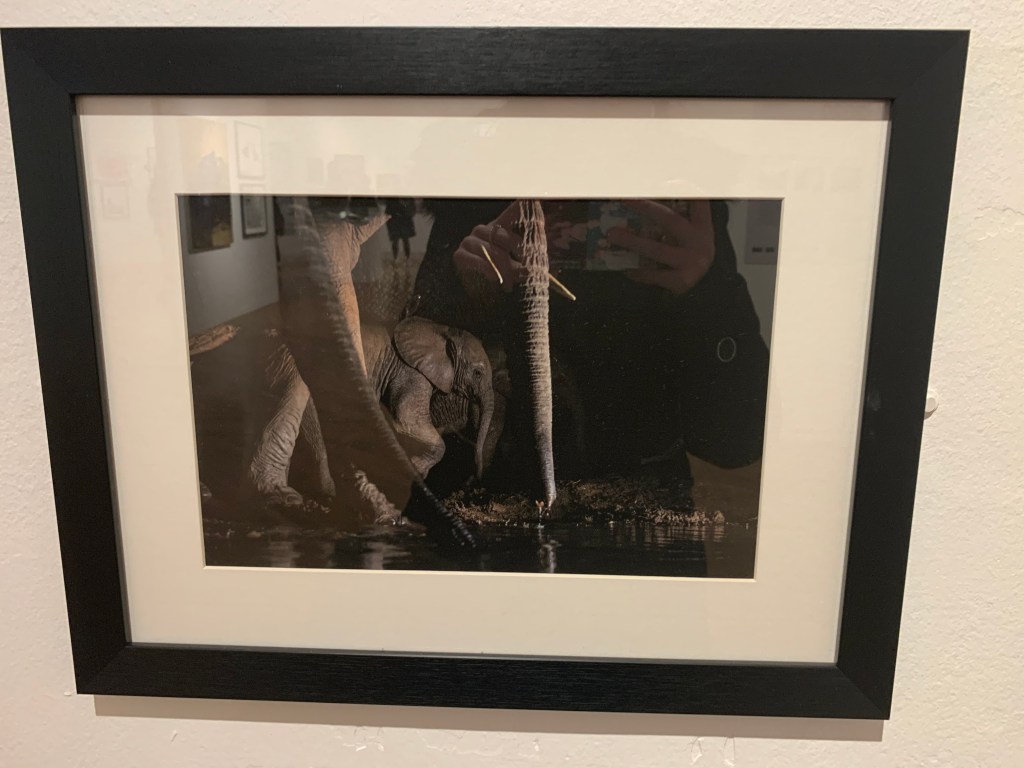
Another image by Tracey Lund, this photograph is captioned as ‘Safety at Night’ as according to the Feren’s Art Gallery exhibition guide of 2020 and again is relevant to my research and project as elephants are part of our wildlife.

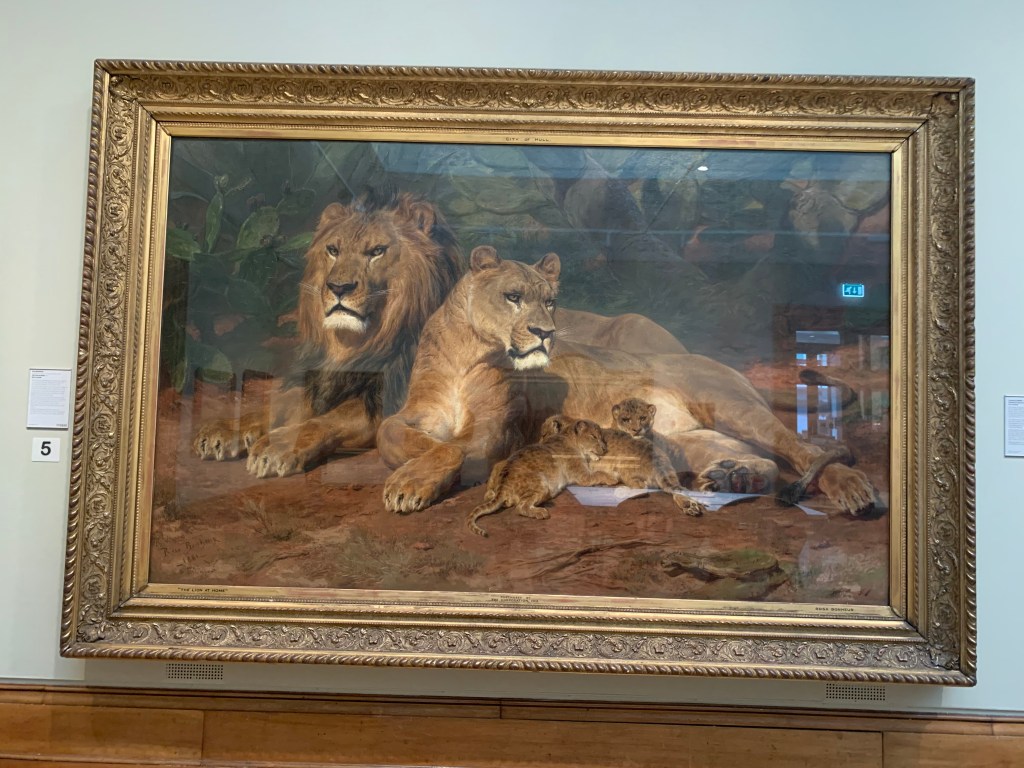
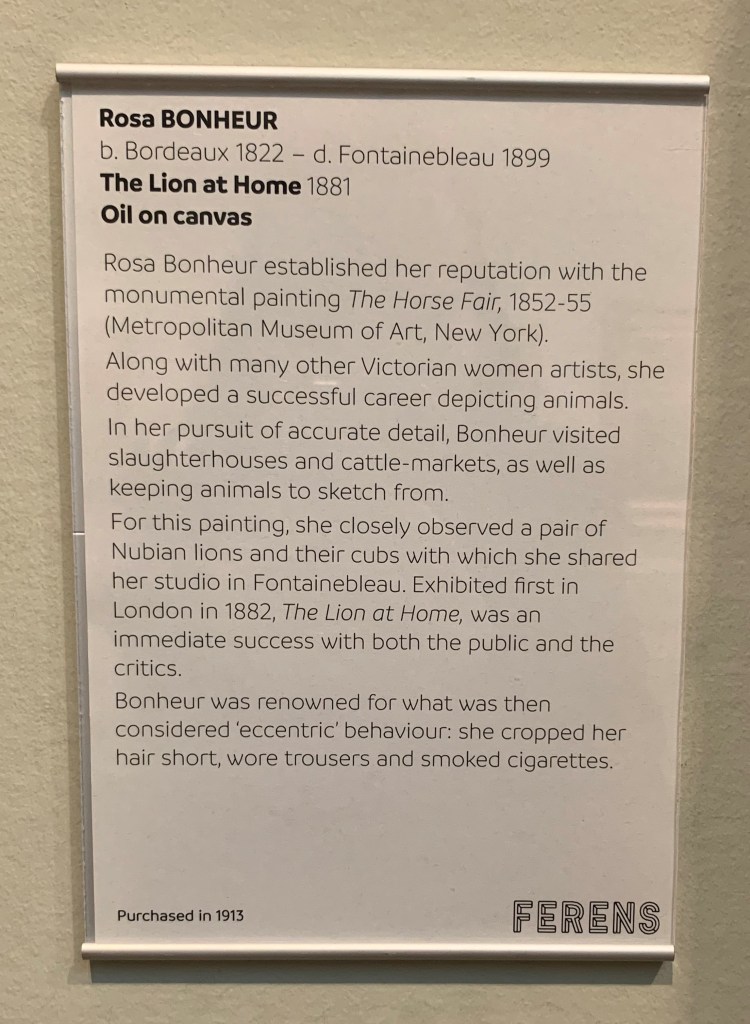
Originally exhibited in 1882 in London, The Lion at Home (1881) is the third and final piece of work I came across when exploring the exhibition and is a painting by Victorian yet French artist Rosa Bonheur.

According to the plaque beside the painting, Bonheur was a successful artist when it came to depicting animals and apparently it’s been recorded that she shared a studio with Nubian lions.

The plaque in which a brief history about Bonheur and her The Lion at Home artwork

Both digital prints by Tracey Lund can be seen on this page, however in order to find them quicker the display numbers are 2 and 25.

The Deep

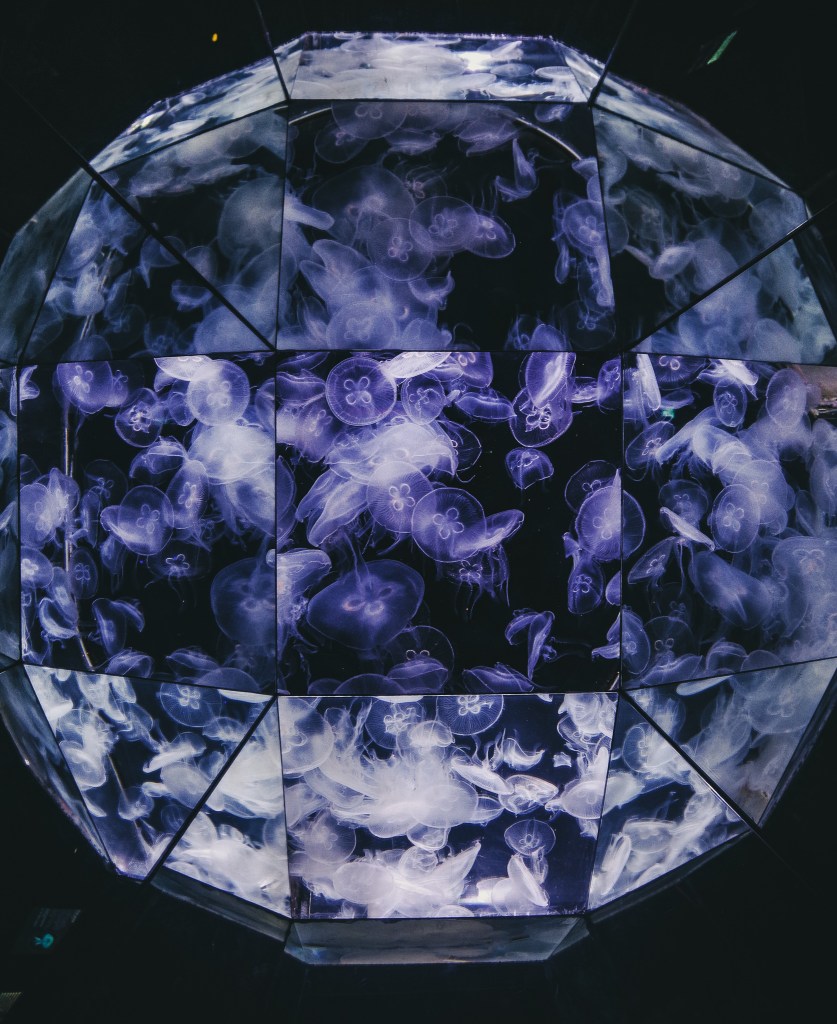
For my media project I’m hoping to focus on wildlife and in particular zoos and wildlife parks throughout Yorkshire, and therefore in order to decide whether to remain with this initial idea, on February 14th, I returned to my hometown of Hull and visited one of our most famous tourist attractions…The Deep as a way of getting experimental shots of how my images may turn out.

What I admire about this photograph is how the main subject is being reflected on the mirrors in which surround the centre to form a sphere like and three-dimensional affect.

Edited in Adobe Lightroom, the only changes made to the image were the crop to create a more spherical appearance and the tonality in order to produce a result that pops.

The camera settings for this image were as follows:

1) Aperture- f/50

2) Shutter speed- 1/25

3) Focal length- 18mm

Metering Modes

As a group we felt like we didn’t understand the difference between metering modes and therefore the first hour of the workshop was tailored around exploring these differences. With everyone’s camera being different our modes were either renamed or had extra. For example, as a Pentax K-50 owner, my metering modes are the following:

Centre weighted– Detects and evaluates the amount of light within the middle of frame and its surrounding areas.

Spot metering- Similar to centre weighted, however only focuses it’s attention to the light on your main subject or focal point. Mostly recommended for macro such as birds and flowers as.

Pattern- Also known as multi-pattern mode, this setting is designed to accurately measure a scene when the lighting appears challenging.

Defining Identity

Today’s lecture and seminar was tailored around defining identity and whether creative industries still face certain barriers, which I know from a photographer’s point of view can confirm that in the creative industries barriers still cause significant diversity.

For the extended task we have been asked to choose 3 identification representations and answer two questions to not only show our understanding but prove the positive and negatives

Audience Theories

This week, both the lecture and seminar covered the topic of ‘audiences’ and in particular the different theories such as the hypodermic needle and Stuart Hall’s reception theory, both in which I’ve covered previously.

Applying both theories to a media text more convenient to myself, aka music, I strongly feel like Hall’s reception theory is more engrossing in the fact that in the music industry all readings (preferred, negotiated and oppositional) are present, dependent on how the listener tends to decode / interpret what a specific song or lyric is trying to convey within its message. For example, Calum Scott’s “What I Miss Most” is a dedication to his hometown of Hull, and I know this because not only am I from Hull myself, but one of the lyrics reads “under three crowns when I’m far away” which is Calum paying dedication to the city’s coat of arms.

Personally, I do believe traditional audience theories still apply as all media texts will continue to demonstrate passive and active audiences, however due to the vast increase of technology and social media, they become unnoticed.

Most media texts allow audiences to engage, however the one most renowned I believe is radio and this is because the listeners can interact in a number of ways:

  • Social Media
  • Online
  • Text
  • Landline

Composition

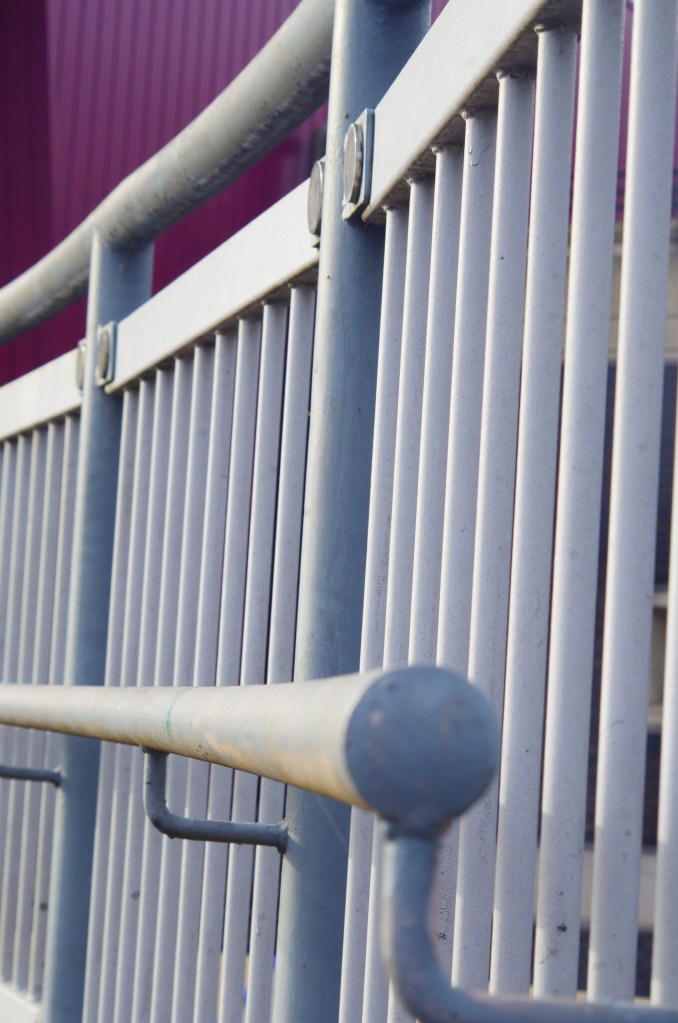
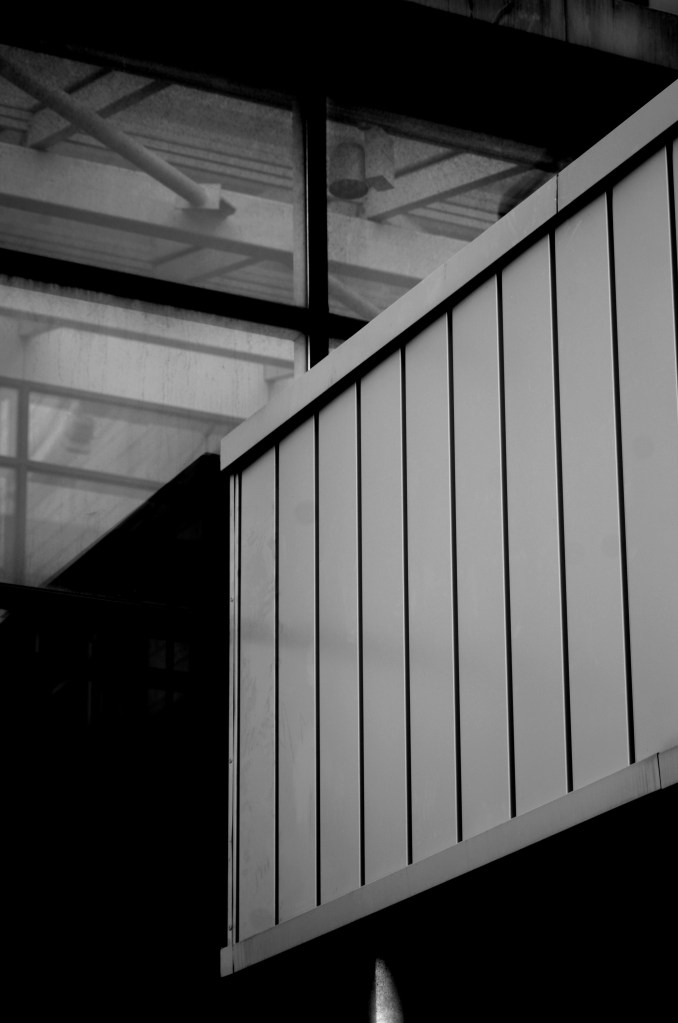
Today’s 3 hour workshop consisted of a brief tutorial / lecture into composition and its relevance to photography, before heading out into the city centre to produce a series of images in which showcase our understanding of rule of thirds, depth of field, golden ratio and leading lines.

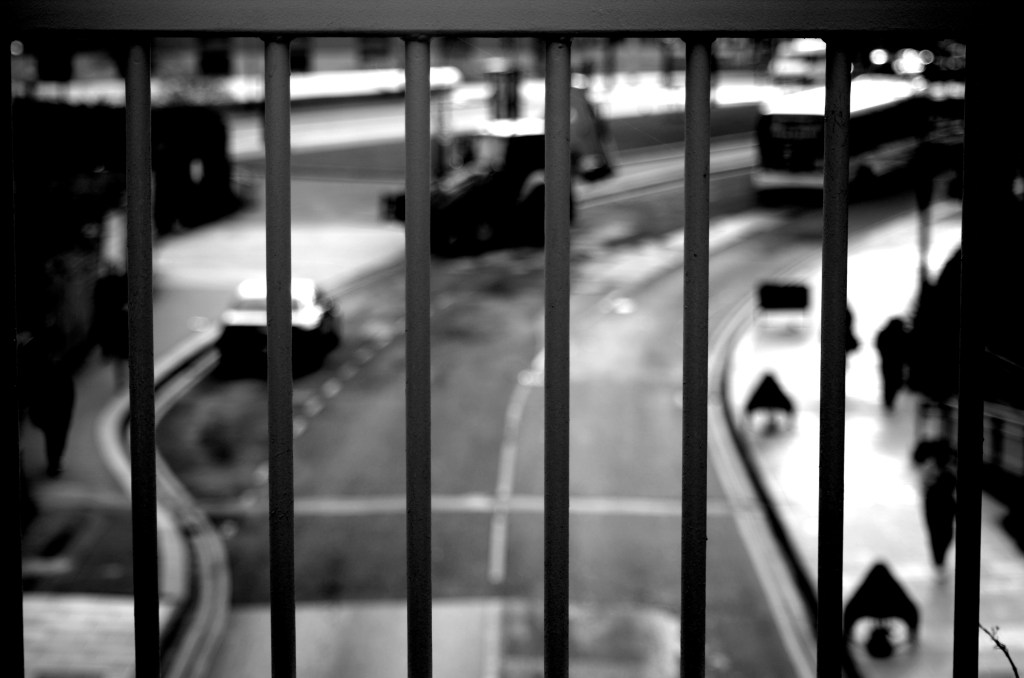
Shot in monochrome as it’s professionally known, image one shows a railing, in which the main subject is in focus with the background blurred, therefore implying a shallow depth of field for the reason being an aperture reading of f/4 was used. As well as this, I think shooting in monochrome (black and white) creates a 1900s vibe as the taxi shown in the middle railing appears to look more traditional.

Another leading lines example, only shot from another angle, this railing is showing multiple leading lines. For example the banister is cylinder shaped and leading you towards a bend, with the main structure of the railing leading your eyes upwards, which I think works well when you observe the image overall.

The exposure triangle settings for this image were an aperture of f/13, shutter speed of 1/100 with an ISO of 200 which would be ideal to create greater depth of fields, however it’s only the circular beginning of the railing thats out of focus, therefore indicating the foreground is slightly blurred.

Composed in portrait orientation, this image got a lot of positive feedback from my photography peers when reviewing one another’s work and I think this shot in particular got more recognition for the fact I’ve demonstrated both the leading lines and frame within a frame technique.

To specify, on one hand, leading lines are a composition technique in which the photographer captures an image that paves a path / road for your eyes to follow, leading you to the main subject, whilst frame within a frame is a technique where more than one rectangle can be seen in shot. Going into depth, your camera frame, no matter what orientation or lens used, will always be rectangular, and any rectangle shape seen within the image such as a window or a door frame, is considered a frame within a frame.

Portrait Shoot

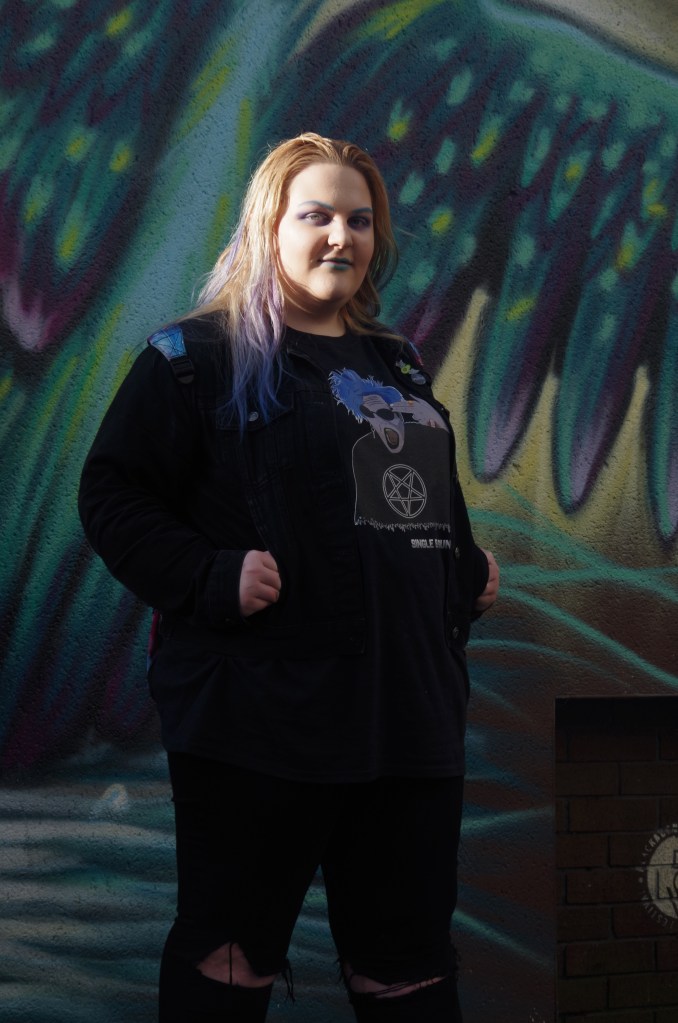
Sorry I’m a day late posting this as I didn’t get back to Sheffield until after 9pm, however yesterday (04/02/2020) I travelled to Blackburn to both visit a friend as well as compose a portraiture shoot in order to gain more confidence when producing or capturing portraits as I tend to struggle getting the correct aperture, shutter speed and exposure, and plan to use portraits as part of my portfolio. Fortunately due to my friend having a background in photography she was able to guide me whilst taking on the role of the main subject, allowing me to capture some interesting portraits, which was a huge benefit as the outcomes look in my friends opinion “profile picture worthy”.

Probably one of my favourite shots from the whole shoot, what this image shows is a well composed portrait demonstrating my understanding of lighting. For example using a natural light source (sun), and exposure triangle settings of f/16 at 55mm with a shutter speed of 1/50 and an ISO of 200, I was able to create this checkerboard style lighting without the use of softboxes or reflectors.

As well as this, the background works well with the portrait as it makes my subject stand out.

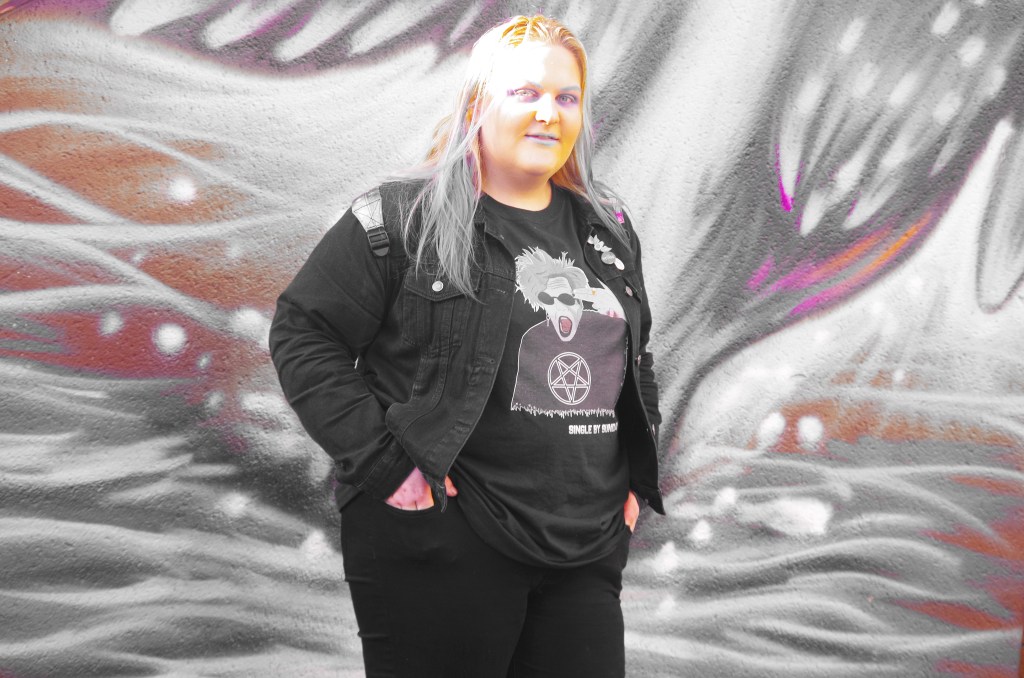
Taken in landscape orientation, this particular shot was captured via built-in filters, specifically the extracted colour in order to display both black and white as well as colour.

Shot with aperture and shutter speed readings of f/5/6 and 1/100, this shot evidently demonstrates my previous photography background in terms of rule of thirds as my subject is central of the frame with the remaining 2/3rds being either sides. Composition will be delivered / explained in depth in the following blog post.

I took numerous attempts of this shot and observing them up close on my laptop, this was the most successful in an array of ways.

Firstly, you can clearly see the face of the spray painted background which is what I was aiming to achieve. Secondly, crop wise I went for a mid-wide shot meaning my friends head to waist is captured as a way of showing size difference between the graffiti and model.

Media, histories and futures

This weeks lecture and seminar was more like a refresher session for myself as what our lecturer delivered, was a contextual area in which I studied as my previous University before making the transition from film studies to photography, in which focused on traditional and emerging forms of media, therefore giving me a better and stronger advantage.

The lecture began with an introduction to the public sphere, a social gathering in which the public express their opinions and identify ongoing issues in the society, before gradually developing into the main discussion of changes within media engagement and future prospects of our specified field.

Media histories

Before the technology and platforms we have access to today were even considered and continue to emerge, media related texts were more traditional in the fact that the first recorded newspaper device was pioneered in 1476 by William Caxton, with other technologies such as radio, TV and gaming following, concluding with social networking which is consistently growing.

https://engelskhistoria.files.wordpress.com/2015/05/the_caxton_celebration_-_william_caxton_showing_specimens_of_his_printing_to_king_edward_iv_and_his_queen.jpg

Technological Impacts

In my personal opinion, technology has become a major distraction in everyday life as majority of our traditional media can now be accessed via apps such as newspapers, film and television catch up, therefore implying that generations are currently and will continue to become less verbally social able as they have online networking to communicate, which may be beneficial in some ways for example, in major businesses or industries looking for contacts with photography being one of them.

Create your own website, free on WordPress.com.Create your own website.
Start free