Aperture, Shutter Speed and ISO

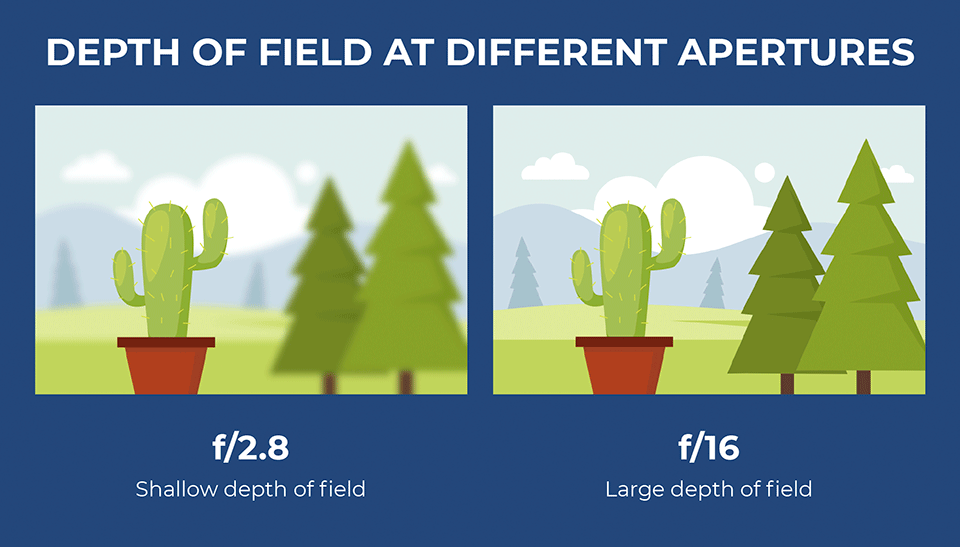
Today’s session tailored around exploring aperture in its more optical role. For instance aperture in photography terms can be identified as f stops in which determines the size of the hole and depth of field. To elaborate the smaller the f stop, the larger the aperture, creating a more wider depth of field, in other words the main subject is in focus with the background blurred.
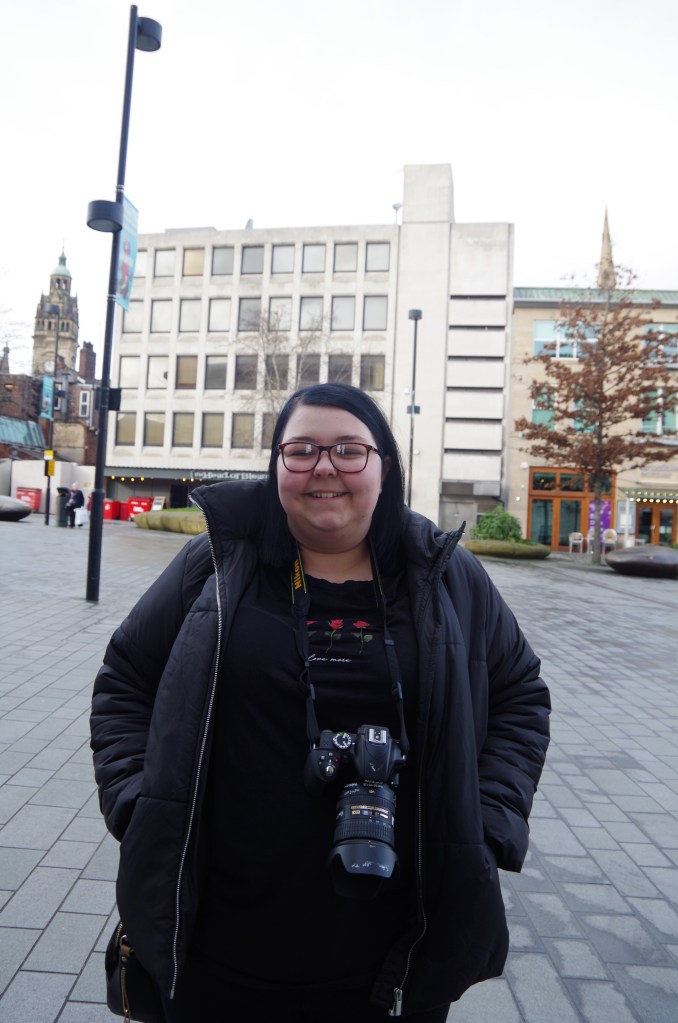
Using my standard kit lens ranging at 18-135mm, this image was captured outside Sheffield Winter Gardens at the following exposure triangle readings:

F Stop- 5.6

Shutter speed- 1/80

Focal length- 18mm

As you can see, both the background and main subject are in focus and therefore doesn’t show any evidence of my depth of field and aperture understanding.
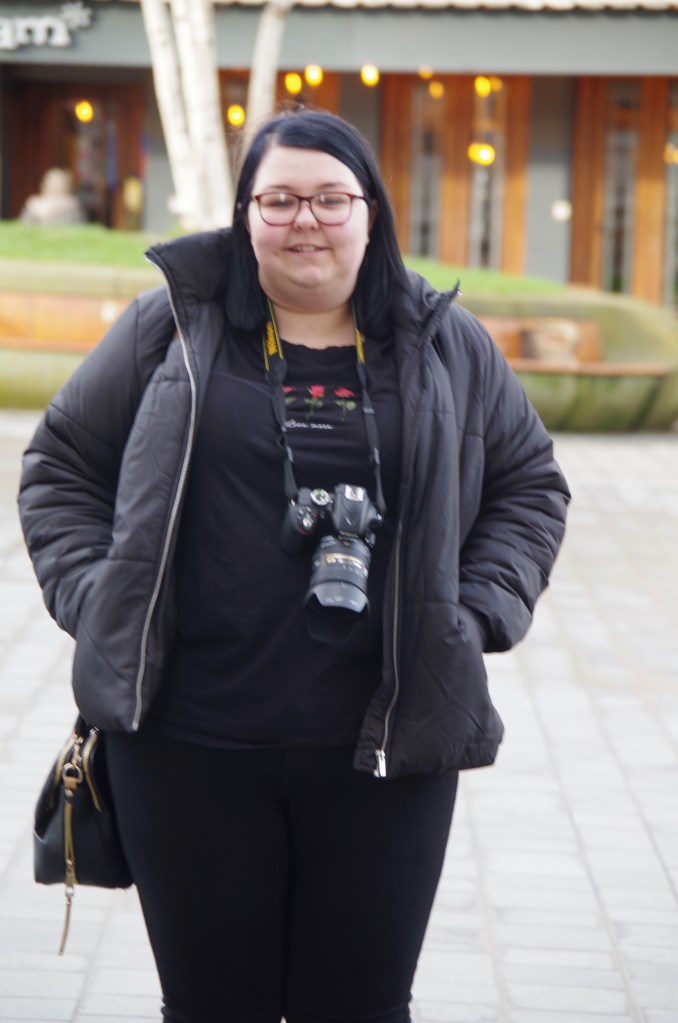
Still slighty blurred in terms of composition for the reason being my subject is out of focus, in comparison to the shot above you can evidently see the difference in depth of field as the background appears blurred which is required if wanting to take profressional and interesting looking images.

The file information for this shot is as follows

F Stop- 5.6

Shutter speed- 1/30

Focal length- 135mm

From taking portraiture images outside we then moved onto Winter Gardens interior and composed our own images, capturing what we felt would make interesting results, using the skills we’d previously learnt from lecture and group practical. As well as this, I got the opportunity to experiment putting my aperture knowledge into action in the form of using my 55-300mm macro lens and the results were quite surprising.
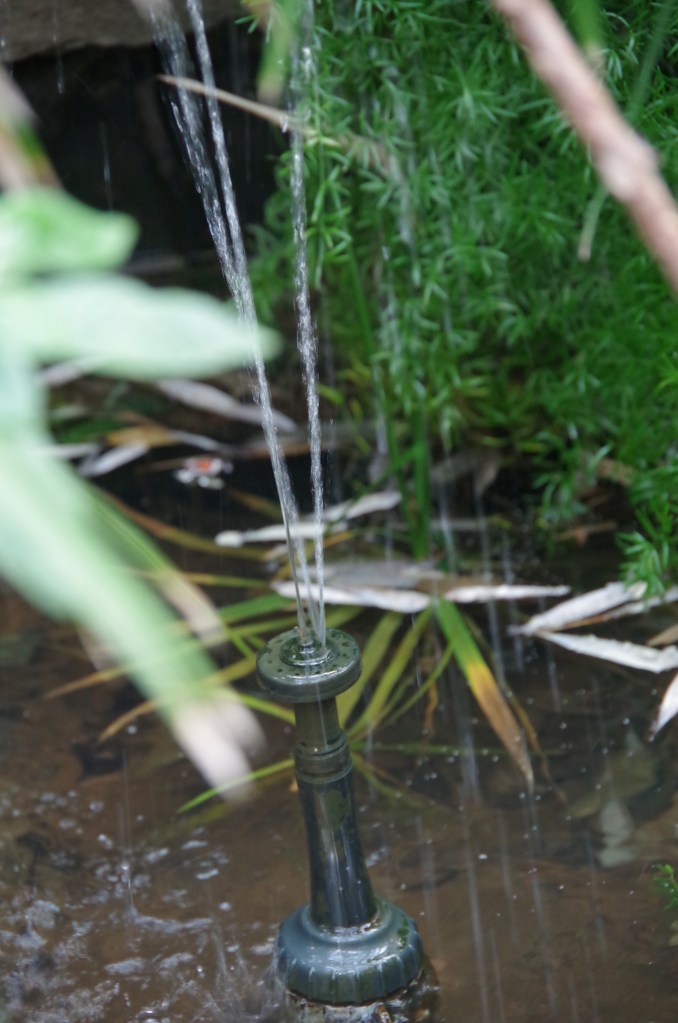
Taking a risk and shooting handheld meaning no tripod was involved, straight away you can see this image had been captured via portrait orientation, and produces a result that pays more attention to the fountain than the water in general. This is because although the water is important, unlike the previous image above, this image displays a close up of the main subject, showcasing both water coming out of the fountain as well as various droplets depending on which side of the image you observe. Elaborating in depth, the left side clearly shows standard looking water droplets whereas the right side creates the rainfall effect / look.

The composition details for this image were the following

F Stop- 5.6

Shutter speed- 1/50
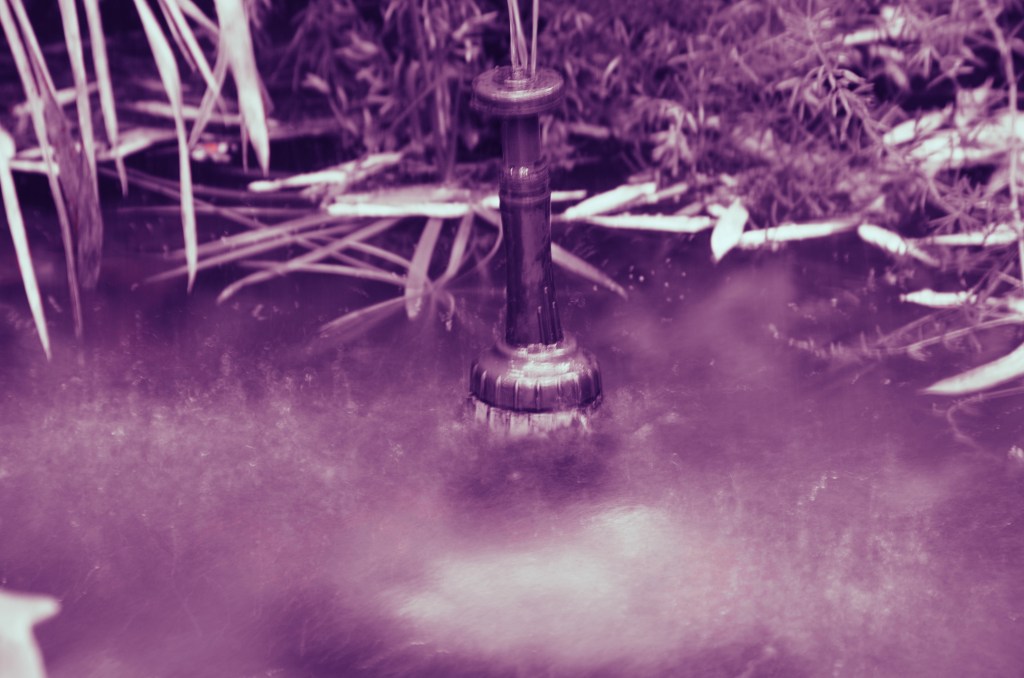
Composed using a built in filter on my specified camera (Pentax K-50), and in landscape orientation like most my images, this is probably my favourite shot out of my whole water theme captured in todays session. Not only is this because I amended the hue but because the movement of the water replicates steam for the fact that it gives off that result due to the settings used in order to produce the image.

F Stop- 6.3

Shutter speed- 0.8

Focal length- 88mm

Although aperture and shutter speed work together, shutter speed, which can be presented as SV (shutter priority) on some cameras, is part of the exposure triangle in which detects how long the shutter is open for, therefore determines whether the image will be balanced, under or overexposed.

ISO on the other hand measures the sensitivity in camera and therefore the lower the value, the less sensitive your camera becomes, meaning noise and grain isn’t much of an issue, compared to high ISO’s which cause severe noise and grain results.
Introduction

Wednesday 22nd January saw the foundation students hoping to study a photography BA in the upcoming September, in which we got introduced to Jon Turner, a professional photographer and lecturer, who started off our first 3 hour workshop by reintroducing our minds to the basics of photography (shutter speed, aperture and ISO). From here we got shown some of the work he’s produced as a way of influencing our media project for this semesters assignment before heading down to the studio to experiment with what we’ve learnt and the results were pretty amazing.

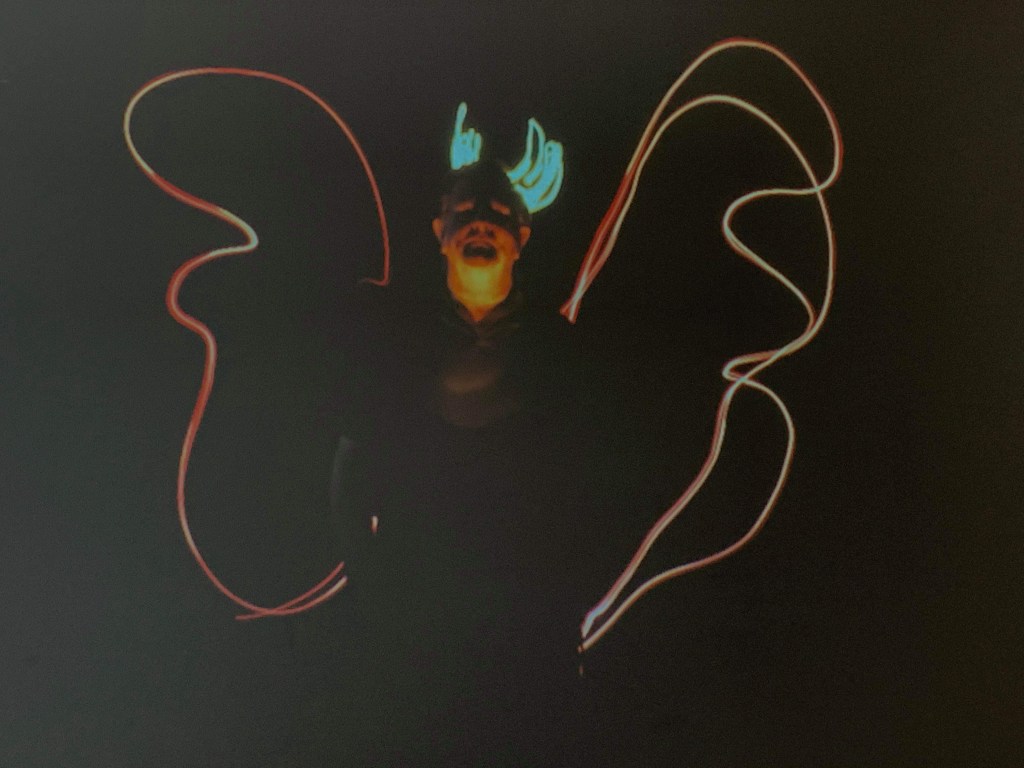
In the studio we created light paintings, stock movement and just messed around with shutter speed, aperture and ISO in general, however above all was a pretty fun session as we all got involved, supported each other and took some eye catching photos.

This wasn’t an image I produced, however was created in the studio and as you can see its showing the light painting technique in the fact that we’ve created an outline around Adrian, to help him stand out due to the studio at this time being in darkness

Black Mirror

In the session of Monday 20th January 2020, as part of the Media in Context module we watched an episode from the Netflix series‘Black Mirror’ titled Playtest, an episode that evidently demonstrates the semiotics and mise-en-scene, both which are technical requirements within the television and film industry, however can also provide relevance and intertextuality in photography.

Mise-en-scene

Mise-en-scene, is a French term meaning “to place” and a combination of 5 elements in which together both develop and create a frame, which I’ll individually break down for the purpose of analysing the episode of Black Mirror

Camera Shots: Like all TV and film productions, the camera angles have to be thoroughly planned out and brief met in order to ensure the result of the production is a success, and therefore camera shots apply within the photography sector as they may appear as moving images on screen, but in actual fact are single framed shots, when at the pre-production and production stages.

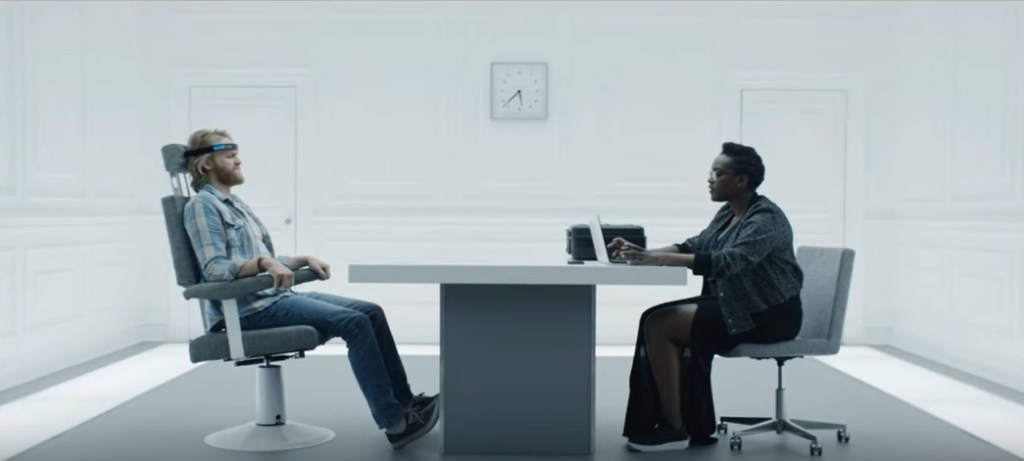
Wide Angle: What this screenshot demonstrates is a wide angle shot to help set / establish the scene, which in this case shows Cooper and Katie in a room thats completely empty with only a desk, chairs and clock for distraction. As well as the wide shot, this could also be considered what’s professionally known as a ‘two shot’ meaning there’s two people seen in the frame and is usually demonstrated when there’s an ongoing conversation from person to person.

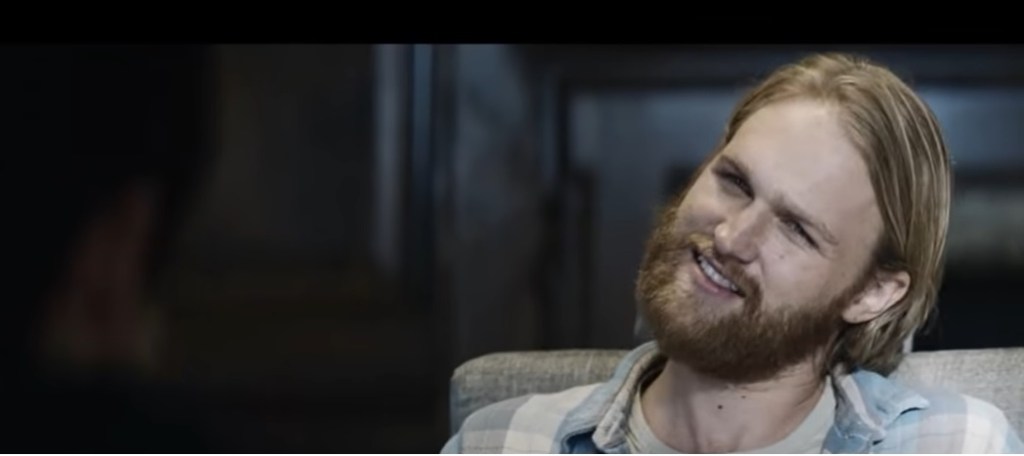
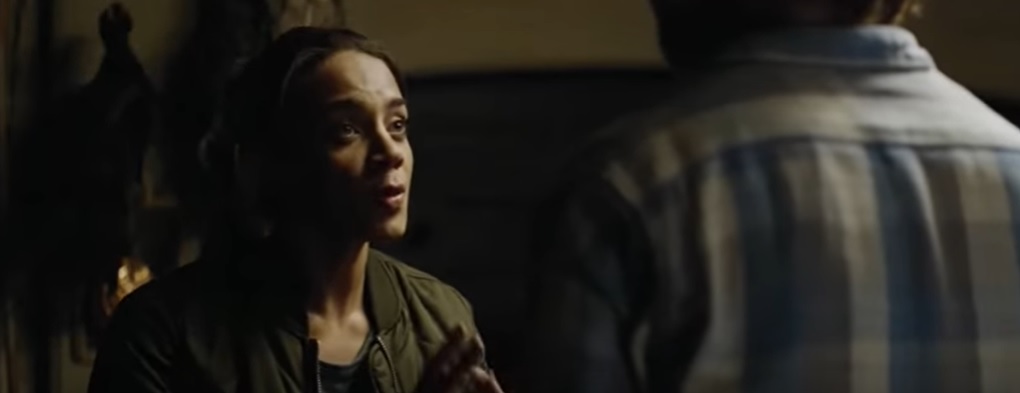
Over the shoulder: Another way of highlighting a conversation between two people in a particular scene is by whats known as an an over the shoulder shot, a shot in which the camera operator films over a characters shoulder whether that be them talking or listening to the opposite character on screen, the rule applies both ways.

Lighting: Lighting plays a key part in the photography and TV and film industry for the reason being that it’s main purpose is to produce various moods and atmospheres depending on the scene and narrative in which the production is following. For example, with Playtest both considered and listed as a drama and thriller, you’d expect to see lighting that’s majorly under exposed in order to create an eerie feel to the scene that’s in play.

Rembrandt: The term ‘rembrandt’ derives from it’s origin of the Dutch painter of the same name, and is commonly produced within a studio based environment due to it’s setup, however the lighting style has also been outlined in the episode of Black Mirror, for the reason being that a triangle can be seen under Sonja’s right eye, which is also seen in the portraiture work of Rembrandt and is created with a key light and a circular reflector.

Create your own website, free on WordPress.com.Create your own website.
Start free